


Zakeke Named a Winner in TechRound’s SaaS66 2024

We’re excited to share that Zakeke has been named one of the winners in TechRound’s SaaS66 2024 competition! This award recognizes the most innovative and game-changing SaaS companies across the U.K. and Europe, and we’re thrilled to be among them. This win highlights our commitment to transforming e-commerce with cutting-edge visual commerce solutions and changing the way customers engage with brands. Hosted by TechRound, the competition celebrates SaaS companies making a big impact in the industry, and we’re honored to be recognized for our work in helping businesses worldwide. At Zakeke, we’re always pushing the boundaries to deliver tools that enhance customer experiences, boost engagement, and improve efficiency. Being named a SaaS66 winner is a testament to our team’s dedication and the trust our clients have in us. A huge thanks to TechRound and the judges for this awesome recognition, and congrats to all the other winners driving the SaaS industry forward!
Zakeke Racks Up 16 Badges in G2 Fall Reports 2024

Breaking News: G2 Fall 2024 Reports Are Here! Zakeke is back in the spotlight, proudly maintaining our status as a Leader in Visual Commerce for the 8th season in a row. This fall, we’ve racked up 16 badges across categories like Product Customization, Visual Configuration, AR Visualization, and a fresh new category: E-commerce. A big shoutout to our amazing customers – your support and feedback keep us moving forward. Check out the G2 Fall 2024 Reports to know more! Leading the Charge in Visual Customization and AR Visualization We’re excited to announce our continued success as a Leader in the G2 Grid® Report for Visual Product Customization and AR Visualization. G2 Grid® for Visual Product Customization Software At Zakeke, we’re all about e-commerce innovation – transforming how customers connect with brands and elevating their shopping experiences. We make it easier for merchants to streamline tasks and processes, so they can focus on what matters most. We’re also proud to be recognized as a top choice for Visual Customization among Small Businesses. Our commitment to driving growth through innovation and automation helps startups and small businesses thrive. Shining Bright: EMEA’s Leader and Momentum Leader For the 5th season in a row, Zakeke is back in the spotlight with more exciting recognition: Celebrating Even More Wins! This season, Zakeke has bagged some impressive awards: Check out the Zakeke platform – perfectly compatible with your eCommerce system to boost your results. Looking for quick improvements? Try Zakeke’s 14-day free trial or book a personalized demo to dive deeper!
How to Create a 3D Catalog from Scratch: A Step-by-Step Guide

Previously, creating 3D models was often restricted to the design, animation, and gaming sectors because it required specialized skills and expensive software. Only a few industries knew how to create a 3D catalog or could afford it. Thankfully, recent technological advancements have made 3D modeling tools more accessible and affordable. As a result, other sectors also began exploring the creation of 3D models. Companies from various industries can now create 3D catalogs and models for everything. The question now is, how do you create a compelling 3D catalog from scratch? In this comprehensive article, we’ll outline a step-by-step guide on how to create a 3D catalog. By the end, you’ll have enough knowledge to build your virtual library. Shall we begin? What Is a 3D Product Catalog? A 3D product catalog is a promotional tool that uses 3D models, animations, and Augmented Reality to improve the buying experience. 3D product catalogs help users understand products better, enabling them to make informed purchasing decisions. They show a product’s actual size and functionality. How Do 3D Product Catalogs Work? Online shopping in its more conventional form can often feel restrictive and limiting. Customers often struggle to envision how a product can seamlessly fit into and enhance their daily routines. Static images fail to capture a product in its entirety. 3D product catalogs go beyond these limitations by introducing 3D product models. This new technology is changing the way consumers shop online. It makes the experience more engaging and educational, ultimately increasing revenue for your business. Benefits of Going 3D with Your Product Catalog Let’s discuss the benefits of this innovative technology for businesses and consumers. Then, we’ll detail the steps on how to create a 3D catalog. 1. Enhanced Customer Experience This is one good reason businesses should learn how to create a 3D catalog. With 3D catalogs, shoppers can virtually examine a product before buying it. They can view the product from various angles, zoom in on specific details, and customize it. This level of product visualization enhances the shopping experience and builds trust in the brand. Integrating advanced features like an AI chatbot or live chat can further improve customer interactions and support, ensuring a more engaging and trustworthy experience. 2. Increased Conversions 3D catalogs reduce buyers’ uncertainty. It provides a personalized journey that guides them through the buying process. For example, buyers can virtually “try on” clothes or interact with products. This increases the likelihood of conversion. A study shows that Shopify merchants who implement 3D commerce saw an average 94% increase in conversions. 3. Improved Customer Engagement Standing out from the competition requires effort and strategy. 3D catalogs provide a unique perspective on customer engagement. They offer a convenient avenue for consumers to explore products at their own pace. This increases brand awareness and website traffic. It also enhances the potential for video monetization. Integrating interactive videos within the 3D catalog lets you create additional revenue streams. It encourages longer browsing sessions and maximizes customer engagement. 4. Cost-Effectiveness 3D catalogs can significantly reduce the need for traditional photoshoots and physical samples. They offer a cost-effective way to showcase products in multiple variations. They provide real-life experiences that often surpass traditional photography. 5. Personalized Upselling Interactions with 3D catalogs provide useful intent data. Businesses can leverage this data to recommend personalized products or accessories. This results in increased trust and loyalty, thereby boosting conversions. 6. Reduced Returns Returns are a pain point for retailers. 3D catalogs allows customers to virtually assess the fit, look, and feel of the products they purchase. This leads to fewer impulse purchases and fewer returns. This translates to a more apparent bottom line for businesses. How to Create a 3D Catalog in a Few Steps In summary, creating a 3D product catalog requires 3D models of your products. It requires you to set up a virtual space where customers can interact with them. Let’s look at some practical considerations and necessary steps to get started. 1. Create 3D Product Models To understand how to create a 3D catalog, start by creating high-quality 3D models of your products. You can easily adapt these models to create a detailed 3D catalog. It is easy if you already use 3D computer-aided design (CAD) files in product development. However, there are also several methods to create a 3D catalog if you don’t have existing 3D models: The scanner accurately measures minute details. Since 3D scanners are light-sensitive, using them in a well-lit indoor environment is preferable. They help prevent data distortion from ambient light. The designer doesn’t need tangible items and can “infer” the object’s appearance from a few reference photographs. Most professional 3D photogrammetry takes place in a controlled studio setting. This method allows you to take pictures of large items in the real world, unlike laser 3D scanning. Also, you don’t need the item in question to make the 3D model. All you need is a set of already-existing photos of the product. 2. Develop a virtual space Once you have your 3D product models in place, the next step is to develop a virtual environment where customers can interact with them. Here are some popular approaches to consider: For instance, you can use the AR app to virtually place a pair of sunglasses on your face to see how they fit. You can also use it to see how a new lamp would look on your end table. AR adds a layer of interactivity and informative elements to the online shopping experience. Imagine yourself in a virtual clothing store, examining clothes racks. VR allows you to explore a piece of furniture virtually to better understand its size and scale. VR provides a highly immersive product experience, but it requires a VR headset for access. This makes it a capital-intensive option. 3. Choose the Right Product Configurator Selecting a suitable 3D product configurator requires careful consideration of several factors. To begin with, you need to analyze your business needs and product complexity. The configurator should be adept at
Maximizing Sales with an Effective E-Commerce Cart Strategy

Although many regard the shopping cart as just a place to hold items before purchase, nothing can be further from the truth. A shopping cart in e-commerce is a critical component that can make or break a sale. A well-designed and optimized cart significantly boosts conversion rates, increases average order values, and enhances customer satisfaction. However, a poorly executed cart strategy often leads to high abandonment rates and lost revenue. In this article, we’ll explore essential strategies for creating an effective e-commerce cart that maximizes sales and ensures a seamless e-commerce customer experience for your shoppers. From user-friendly design and personalization to security measures, you will have the tools to turn your online shopping cart into a powerful revenue stream. Causes and impact of shopping cart abandonment on your e-commerce business Before we start exploring how you can improve your shopping cart, it’s essential to understand what causes customers to abandon their carts. Unexpected costs When shoppers proceed to checkout and encounter additional fees, such as high shipping charges, taxes, or handling fees, they tend to feel surprised or even deceived. This often leads to an immediate decision to abandon the cart, as the final price exceeds their expectations. Complex checkout process A complex or lengthy checkout process causes frustration and leads to customers abandoning their carts before completing a purchase. If the checkout involves too many steps, requires unnecessary information, or doesn’t provide a guest checkout option, customers may lose patience and take their business elsewhere. Lack of trust and security concerns Security concerns are one of the main factors why people abandon their online shopping carts. If your e-commerce site lacks trust signals, such as SSL certificates, recognizable payment options, and security badges, customers may fear for the safety of their personal and financial information. This lack of trust usually results in cart abandonment, especially among first-time visitors. In 2023, approximately 70% of online shopping carts were abandoned, highlighting a significant loss of potential revenue. These missed chances are significant because they represent the inability to turn customer interest into real transactions, reducing the return on investment (ROI) from marketing campaigns designed to draw these potential buyers to the site. Shopping cart optimization strategies that drive sales Now is the time to discuss how you can overcome the aforementioned issues and skyrocket your sales. Focus on usability A clear and intuitive layout allows customers to easily navigate the checkout process. Clear product information and easy-to-use features for adding, editing, and removing items minimize confusion and help customers make confident buying choices. Additionally, making the shopping cart accessible from any page on the website is essential for a seamless user experience. Placing cart icons prominently in the navigation ensures that users can easily review and adjust their picks at any time. This accessibility makes it easier for customers to make impulse purchases and helps guide them toward making a purchase, which in turn increases sales and improves customer satisfaction overall. Encourage customers to complete purchases Implementing exit-intent popups, which offer discounts or reminders as customers attempt to leave the website, serves as a powerful tool to re-engage potential buyers. These popups encourage customers to rethink their choice to leave without finalizing their purchase, using incentives to increase sales. Sending abandoned cart email reminders with personalized messages and incentives is another effective strategy. These emails remind customers of the items left in their cart and can include special offers or discounts. By personalizing the message and incentivizing a return to complete the purchase, you can recover potentially lost sales and strengthen customer loyalty. Furthermore, having a persistent cart function that stores products for customers who leave and return later makes shopping easier and motivates them to complete their purchases. This feature ensures that customers can easily resume their shopping without losing their selected items. This reduces friction in the buying process and increases the likelihood of conversion. Offer multiple payment options Allowing customers to choose from various methods like credit cards, PayPal, Apple Pay, and Google Wallet caters to diverse preferences, and reduces payment barriers that frequently lead to cart abandonment. This approach aligns with global digital payment trends. For instance, in 2023, mobile wallets accounted for half of all e-commerce transactions worldwide and are projected to grow at a 14.9% CAGR from 2023 to 2027. Integrating these popular payment methods into the checkout process enables you to capitalize on this trend and meet evolving customer expectations. Moreover, providing a guest checkout option simplifies the buying process by allowing customers to complete purchases without creating an account. To further expand payment options and attract a wider audience, consider integrating cryptocurrency as a payment method. By enabling customers to use their crypto portfolios for purchases, you can tap into the growing cryptocurrency market and position your business as a forward-thinking brand. Provide transparent pricing Showing customers all the costs upfront, including product prices, shipping fees, taxes, and any extra charges, helps them know exactly how much they’ll be spending right from the start. This transparency helps in managing customer expectations and avoids potential surprises during checkout. Including a shipping calculator directly on the cart page further improves transparency. This tool allows customers to estimate shipping costs based on their location and chosen shipping method before proceeding to checkout. Enhance the mobile shopping experience Optimizing the shopping cart and checkout process specifically for mobile devices ensures that users can easily navigate, browse, and complete purchases on their smartphones or tablets. Responsive design plays a pivotal role in this, adapting the layout and functionality seamlessly across different screen sizes. As of May 2024, mobile devices accounted for the majority of visitors to e-commerce sites, comprising 73% of total traffic. This further proves the significance of catering to mobile users with a user-friendly experience. Implement personalized recommendations Besides creating a more engaging shopping experience, personalized product recommendations also contribute to increased conversion rates and revenue generation. Leverage artificial intelligence (AI) Utilize AI and machine learning technology to examine user actions, like browsing habits,
Boosting Marketing Impact with Digital Asset Management
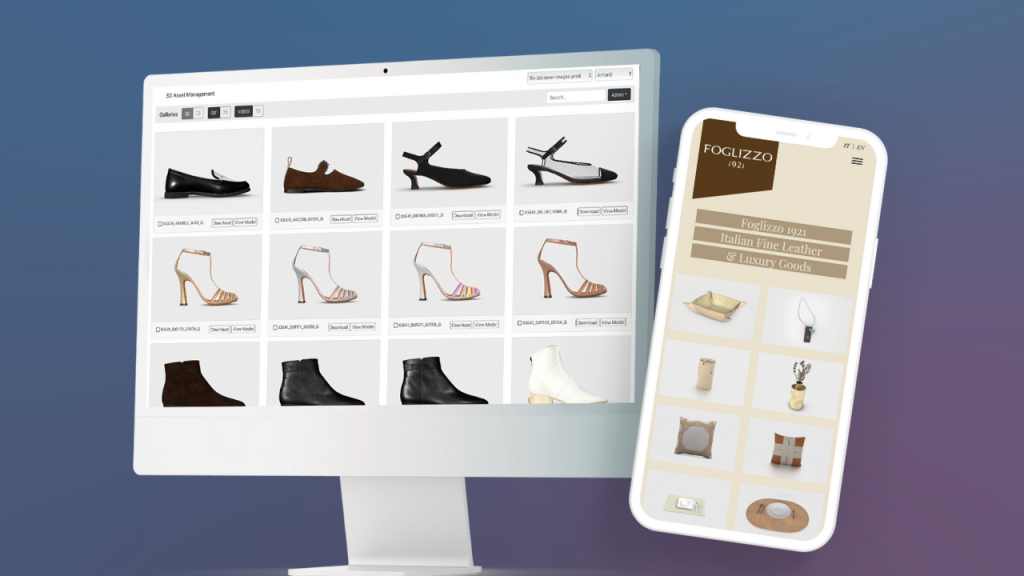
You’re on the brink of launching the most groundbreaking marketing campaign ever. Your strategy? Bulletproof. Your creativity? Off the charts. There’s just one snag: the show-stopping shot of your product bathing in the perfect sunset light is MIA, lost in the chaotic abyss of poorly named files and errant folders. This digital disorder is where many brilliant marketing ideas go to die prematurely. Enter digital asset management (DAM) tools. These are the quintessential saviors for any marketer tired of playing digital archaeologist. Wondering how? Stick around as we dive into how a DAM system can revolutionize your workflow, maximize your resources, and transform great marketing into the stuff of legend. What is DAM and Why Do You Need It? Digital asset management (DAM) isn’t just a fancy term for a glorified digital closet where your brand’s assets gather dust. It’s much more than that. It’s a meticulously organized, highly efficient library where every asset, from the humble JPEG to the high-stakes promotional video, is cataloged, controlled, and ready for action at a moment’s notice. “But we already use shared folders and drives,” you might argue, clinging to your primitive tools. But can your shared drives cleverly organize content with metadata tagging, safeguard versions, offer precise role-based access, or enable seamless in-app collaboration? Didn’t think so. Let’s peel back the layers of this digital enigma and discover why you’re just one DAM away from marketing storage nirvana. The DAM Difference With DAM, you’re not just organizing files—you’re supercharging your entire marketing engine. Here’s how: Speeding Up Processes Remember the agonizing waits as files loaded at a glacial pace or the epic quests to unearth that elusive logo? Today’s DAMs sport search capabilities and metadata functionalities that transform these frustrating quests into mere seconds of work. They allow for swift access to the exact version of the asset you need, rocketing your campaign’s time to market into hyperdrive. Reducing Redundancy Duplication is not just wasteful. It’s also exasperating. DAM slashes through the redundancy riddle by keeping a single, up-to-date version of each asset. This means no more multiple versions of the same file floating around, causing confusion and clogging up your digital space. Instead, your assets are streamlined and simplified, just like your processes. Enforcing Consistency Nothing screams “amateur hour” louder than inconsistent branding. It’s an unforgivable faux pas in the marketing world. DAM keeps your brand decked out in its “finest gear” consistently across all channels by ensuring that everyone—from the marketing intern to the creative director—pulls from the same set of up-to-date, approved assets. This vigilance shields your marketing materials from outdated logos or off-palette colors sneaking into your campaign, thereby preserving the sanctity of your brand’s identity. Strengthening Security With sophisticated permission settings and access controls, DAM protects your assets from digital pillagers and internal mishaps alike. It gives you the assurance that your brand’s assets are not just organized and accessible but also secure under lock, key, and digital moat. In addition to traditional security measures, such as access controls, it’s essential to safeguard your digital assets from threats like email phishing attacks. Implementing Domain-based Message Authentication, Reporting, and Conformance (DMARC) protocols alongside other email authentication methods can provide an extra layer of defense against unauthorized access to sensitive materials. DMARC record helps ensure that emails claiming to be from your domain are legitimate, reducing the risk of phishing attempts that could compromise your assets via email. Supercharging Collaboration Before the advent of DAM, “collaboration” was just a fancy word for email overload, misplaced files, and nerve-wracking chaos. DAM ushers in a new dawn where creative minds can converge effortlessly in a digital space that fosters creativity while maintaining order. Here, designers, marketers, e-commerce managers, and content creators can collectively breathe life into a campaign without stepping on each other’s digital toes. Feedback loops are tighter, approval processes are streamlined, and creative synergy is no longer just a pipe dream but a daily reality. Facilitating Scalability Most DAM tools are built to grow as you do. They’re like the elastic waistband of your marketing toolkit, expanding comfortably to accommodate your burgeoning asset library. This scalability means your creative cache can balloon with new campaigns without a hint of a system meltdown. So whether you’re taking over new turf, beefing up your product lineup, or turbocharging your promotional firestorm, rely on DAM to be the stretchy, indestructible asset fortress you need to succeed. Making the Most Out of Your Digital Asset Management Investment Now that you’re sold on the benefits of DAM, let’s talk about how you can put it into action effectively and squeeze every bit of value out of this miraculous tool. Digital Asset Management. Let’s start with a Cleanup Like a cluttered closet, your digital asset collection needs a purge. Before integrating a DAM system, comb through your files. Toss the outdated, the unused, and the off-brand into the digital recycle bin. This not only streamlines the migration but also ensures that your DAM system isn’t just a prettier version of the mess you used to have. Define Your Tagging System Once your DAM system is humming with neatly purged and polished assets, don’t drop the ball on tagging. This is what makes that whisper-away retrieval possible. Settle on a standardized tagging system that everyone on the team can follow, from campaign names and content types to the date of creation and usage rights. Effective tagging turns a sprawling archive into a finely tuned instrument of marketing might. Advocate for Usage Champion the use of your DAM system across all departments. Sometimes, the biggest hurdle to maximizing a new tool is old habits. Highlight the quick wins and major successes from the DAM system in team meetings or via internal newsletters. When people hear about reduced search times, faster project completions, and easier collaboration, they’ll turn to the DAM system as their first port of call. Train, Train, and Train Some More The best DAM system in the world won’t do you much good if
Technical SEO for E-commerce: 5 Key Elements to Focus on
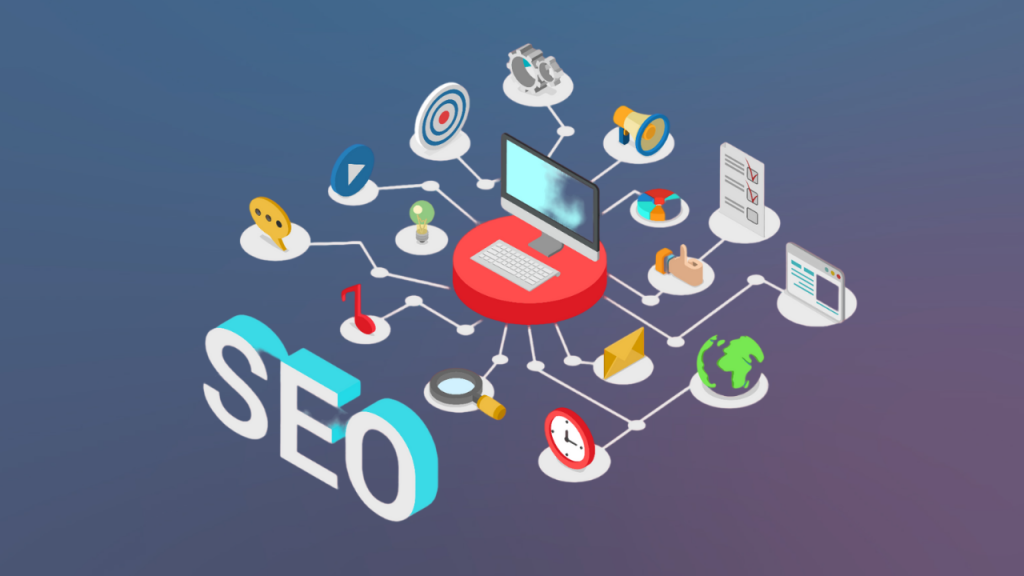
Search engine visibility is crucial for e-commerce businesses. It drives traffic and boosts sales. Technical SEO for e-commerce plays a vital role in enhancing this visibility by improving website structure, speed, and functionality. E-commerce sites face unique challenges such as managing large inventories, handling duplicate content, and ensuring fast load times across all devices. These challenges make it essential to implement robust technical SEO strategies. In this article, let’s look at 5 key elements of technical SEO that e-commerce businesses should focus on to enhance their search engine rankings and overall site performance. 1. Crawling and Indexing Crawling and indexing are foundational processes for search engines. Crawling involves search engine bots scanning your site’s content, while indexing involves storing and organizing this content in the search engine’s database. For e-commerce websites, effective crawling and indexing are critical. They ensure that your products and pages appear in search results, driving organic traffic. E-commerce sites often have extensive product catalogs and dynamic content, which can create challenges for crawling and indexing. For instance, there might be broken links, duplicate content, and heavy JavaScript and CSS files. Consequently, search engine bots can miss or improperly index these pages, leading to reduced visibility. Here, leveraging a specialized SEO log analyzer and crawler is invaluable. These tools help identify and address issues such as the ones mentioned above. SEO log analyzers give insights into how search engines interact with the pages of an e-commerce store. This highlights misconfigurations and errors that hinder search engine bots to crawl through the pages thoroughly and index them accurately. After the issues are uncovered, e-commerce technical SEO teams can methodically start fixing these issues. This may involve adding internal links, removing dead pages, and changing bot permissions on the robots.txt file. 2. URL and Site Architecture URL and site architecture refer to the organization and structuring of web pages within an e-commerce site. They are key elements for technical SEO because they impact customer experience, crawlability, and search engine rankings. A well-structured site ensures search engines can easily navigate and index all pages, improving visibility. Improving URL and site structure involves several strategies: 1. Short SEO-friendly URLs: Use concise, descriptive URLs that include relevant keywords (doing a good keyword research is crucial!). Avoid long, complex URLs with unnecessary parameters. 2. Canonicalization: Sometimes there could be multiple versions of the same page due to different product configurations leading to duplicate content issues. Canonicalization prevents that by telling the search engines which version needs to be indexed. 3. Breadcrumb Navigation: The site pathway trail at the top helps your visitors know where they are on your e-commerce site. This enhances user experience and improves e-commerce technical SEO as search bots can crawl the site more deeply. 4. Hierarchy and Internal Linking: Establish a clear hierarchical structure, organizing content into categories and subcategories. Use internal linking building to connect related pages, distribute link equity, and aid in crawlability. Improving the URL and site architecture refines the e-commerce technical SEO by enhancing crawlability and indexability and delivering a better on-site experience to the visitors. This leads to higher rankings on the SERPs. 3. Speed and Performance A fast-loading e-commerce website encourages visitors to explore the offerings more, leading to lower bounce rates and dwell time. Moreover, search engines prefer online stores that perform better, especially Google. Several issues in technical SEO for e-commerce can affect site speed and performance. These include large image files, unoptimized code, and poor server response times. Monitoring these issues is essential for the timely discovery of these errors. Tools like Google PageSpeed Insights, GTmetrix, and Lighthouse can help identify performance bottlenecks. Improving e-commerce site speed and performance involves several technical SEO strategies: 1. Optimizing Images: Compress images without losing quality to reduce load times. Use modern formats like WebP for better compression rates. 2. Enable Browser Caching: This stores the frequently accessed pages on your visitor’s local devices. As a result, those pages load significantly faster on subsequent visits. 3. Adopt a Content Delivery Network (CDN): A CDN distributes your site’s content to multiple servers worldwide. This serves content to your visitors from the server closest to them, reducing latency and improving load times. By focusing on these areas, e-commerce sites can significantly enhance their speed and performance, leading to higher rankings on SERPs and a better overall user experience. 4. Poor Content Management Poor content is essentially unhelpful content. This includes outdated information, complex language, thin content, and duplicate pages. Such content fails to engage users and negatively impacts search engine rankings. Creating a content audit and a content strategy for e-commerce is crucial for managing content effectively. Start by inventorying all site content, evaluating its quality, relevance, and performance. Identify pages with outdated or thin content and prioritize them for updates or removal. Focus on key areas like category and product pages. These are critical for e-commerce SEO and conversions. Ensure these pages provide comprehensive, accurate, and engaging information. Use clear, concise language and include essential details like specifications, features, and benefits. E-commerce technical SEO teams can also feature user-generated content (UGC) from product and brand reviews to enhance credibility, and hence rankings. UGC is unique content and contains fresh perspectives that are relevant to your products and audience. By implementing a robust content audit process and prioritizing important pages, e-commerce sites can eliminate poor content. Leveraging UGC further enhances content quality, helping improve search engine rankings and user engagement. 5. Secure Sockets Layer (SSL) SSL certificates are crucial for both security and SEO. They encrypt data transmitted between the user’s browser and the website, protecting sensitive information like credit card details and personal data. This security measure is essential for e-commerce sites that handle such data regularly. Moreover, e-commerce sites that have HTTPS (a secure version of HTTP) are looked upon more favorably by search engines and visitors, leading to better rankings and conversions. To acquire, install, and maintain an SSL certificate, follow these steps: 1. Choose a Certificate Authority (CA): Select a reputable
E-Commerce Tools Every Retailer Should Embrace In The Digital Shopping Age
Did you know that over 81% of the US population are online shoppers? In the digital age, even in-store retailers should consider hastily expanding into the e-commerce world to appeal to the modern consumer. But, success in the online shopping world doesn’t come easy. You need to stay ahead of the curve in terms of customer satisfaction, marketing, and the user experience. Let’s discuss why every business stands to gain from venturing out into the booming e-commerce sphere and the top cutting-edge e-commerce tools to help you make your way to the top. Why Is It Important To Adopt E-Commerce In Your Retail Strategy? What’s all the humming and buzzing about with e-commerce? Is it even worth opening yourself up to a whole new plane of competitors? The answer’s yes. Here’s why: Without e-commerce in your retail strategy, you’ll miss a whole host of opportunities to harness this digital era to your advantage. Top E-Commerce Tools For Retailers In The Digital Shopping Age Branching out into the e-commerce world isn’t easy, and you’ll need tools to ensure consistently exceptional service and help you to outshine your competitors. Here are some top e-commerce tools retailers should remember in this digitally-crazed era: Inventory Management Software Inventory management software is an essential tool to ensure consistent delivery and performance. When managing your inventory in line with sales orders, you must perform regular stock counts to ensure you have enough inventory to fulfill orders made online. However, this leaves a lot of room for human error, and stockouts can harm your company’s reputation, as customers must wait longer for their orders, or they may be canceled. Inventory management software prevents this from happening by automating the stock counting process marking each item with an RFID tracking code. During stock counts, each member of staff can simply scan the items to count them, and the same item will only be countable once. When you make a sale, your inventory level will be updated automatically, and the inventory will move to a “pending order” section until the product has been shipped and sent. With inventory management software, you can spot inventory shrinkage more easily – which will reduce the likelihood of stock theft committed by employees. Mobile Rewards One of the most intelligent investments for e-commerce companies right now is a mobile rewards app that encourages shoppers to stay loyal to your brand. Establishing points systems, vouchers, and rewards incentivizes users to shop using the app while encouraging them to spend regularly to improve their points rewards. Cloud-Based Security Systems For e-commerce businesses looking to scale their data management, a data warehouse migration can provide robust support for analytics and reporting, enhancing data-driven decisions and security. On-premise security systems are not the most effective way to protect the inventory stored in your warehouses. Instead, you might consider investing in cloud-based security cameras and access control. Security is a huge element in e-commerce success, preventing losses that could seriously damage your business’s health. With a cloud-based system, you can view security data from anywhere using a mobile application, and you gain access to open API integrations. Using open API integrations will allow you to implement automated threat detection with AI, and you’ll receive automated alerts whenever suspicious activity is detected on your premises. It will use automated behavior and object recognition to detect actions such as theft or unauthorized access, and your team will immediately receive an alert. Upon receiving the alert, they can investigate the issue using their mobile devices, and immediately alert the authorities to resolve the matter. This is a much-preferred solution to an on-premise system, which requires staff members to be on-site and looking at the security camera monitors to spot potential theft. Since it’s impossible to consistently monitor security footage due to a large number of cameras and a limited number of working hours, a lot of security incidents will be missed this way. A cloud-based access control system will also provide the following benefits to your e-commerce strategy: By investing in smarter security, you can reduce the hiccups associated with security breaches that will harm your business’s financial stability. Social Media Marketing Venturing into the world of online retail means you need to engage with those who are online. Social media marketing is the best way to ensure your store is getting exposure to your target customer base. Pay-per-click ads, social media marketing campaigns, and influencer campaigns will help you to attract more eyes to your products and more clicks to your website. Visual Commerce Tools These tools allow merchants to enhance the Customer Experience, using technologies such as augmented reality (AR), 3D visualization, and live product personalization. Such tools can help businesses reduce return rates by ensuring customers are satisfied with their purchased products before they even buy them, as well as build a more engaging seller-buyer relationship. For example, Zakeke offers comprehensive visual commerce solutions, including product customization and 3D configurators, enabling retailers to provide highly personalized shopping experiences. Summary The e-commerce sphere is ripe for the taking, and making the plunge can really elevate your business. However, to remain competitive and ensure you perform well, you should consider investing in popular e-commerce tools and systems that will support business health. Which of the tools listed above would provide the most value to your emerging online store?
AR in Retail: Cool Use Cases & Key Benefits
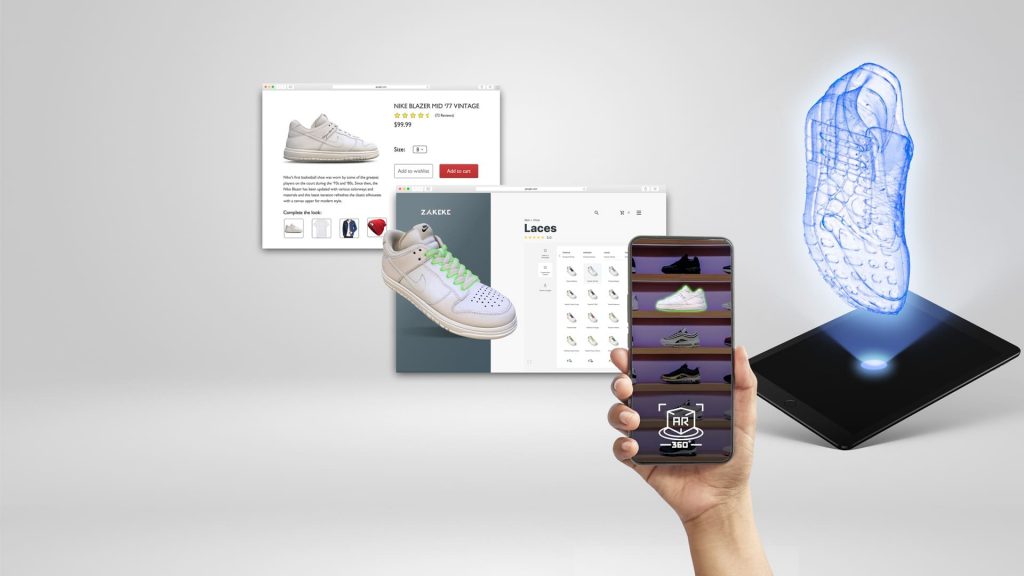
Want to boost sales on your e-commerce? Need to reduce your product returns? Or perhaps gain more loyal customers and brand advocates? Start using Augmented Reality in retail and create immersive experiences! Augmented Reality (AR) in retail has revolutionized the shopping experience. With Augmented Reality retail, customers can interact with products as they’d in a physical retail store. The result? Increased customer engagement and interaction. 68% of customers say they would spend more time at a retailer if they could shop with AR. Brands like Nike have been using AR in their stores and are seeing a quantum leap in revenue. But not only big brands can leverage AR and see an improvement in their performances. Also, small businesses can boost their results with AR, implementing this technology at an affordable price. But what exactly is AR technology, and how AR and VR are used today in fashion retail (and other kind of businesses)? In this guide, we’ll explore the benefits of AR in retail and explain how it has changed the industry. We’ll also provide examples of brands extensively using AR to boost retail experience and inspiring use cases to help you implement it in your store, easily. Let’s dive in! What is Augmented Reality? Let’s start from the beginning. What is Augmented Reality? AR is an emerging technology that enhances the real world by superimposing digital content on real-life objects. When someone points their camera-equipped device at an object, the built-in AR software employs a combination of computer vision and depth tracking techniques to analyze the video, recognize the object, and add digital content on top of it. This way, AR bridges the gap between the physical and digital worlds, improving Customer Experiences and unlocking new ways for shoppers to interact with products in real-time. Think about augmented reality products: seeing a table in your real living room, try-on glasses before buying them, experimenting sports accessories from your screen… this is a real retail revolution! AR in Retail Stores: Trends & Stats AR has revolutionized the retail experience, ushering in radical changes that have truly redefined the future of retail. More and more brands are leveraging AR in their retail stores, and here are some stats that prove it. In other words, AR shopping is really redefining the retail market. From virtual and AR shopping and in-store displays to virtual try-on features, AR in retail is everywhere. Just consider that retailers like Adidas, Nordstrom, Macy’s, and Ralph Lauren have already added virtual fitting rooms and AR experiences to their stores, giving consumers new shopping options while increasing sales and reducing returns. How Brands Are Using AR and VR in Retail for Marketing & Sales What are the most common use cases of AR in retail market and e-commerce? Here are 5 cool examples of using AR in retail: AR Shopping: Which Industries Are Using It the Most? AR in retail has the potential to benefit numerous industries, but which businesses are using this technology most effectively today? Benefits of Retail Augmented Reality AR for retail offers shoppers a completely new Customer Experience. With the help of AR, shoppers can virtually touch, move, spin and view products from all perspectives. This has resulted in many benefits for retailers, including: 1. Enhanced Shopping Experience The most obvious benefit of using AR in e-commerce is the enhanced customer experience. Studies have shown that more than 96% of customers will leave a brand due to poor customer experience. AR ensures this doesn’t happen! By bringing products to life virtually, AR allows users to get a sense of what they’re buying without seeing or touching the product physically. The increased user experience results from how this technology brings everything to life. Rather than viewing static images, AR allows you to virtually touch, spin, view products from all angles, and even try the product. In other words, it allows shoppers to get a better sense of what they are buying without taking a trip to the physical store. 2. Increased Engagement and Customer Satisfaction AR in retail offers piques customers’ interest in products while providing all the additional info they might need. By interacting with products virtually and trying on new products, customers engage more with a brand and its products. In fact, Augmented Reality leads to the discovery of more products. Additionally, Augmented Reality in retail stores ignites that emotional bond between customers and the brand. And when customers are more emotionally involved with a brand, they’re more likely to make repeat purchases, leading to customer loyalty. 3. Improved Product Visualization One of the biggest problems shoppers face is trying to visualize a product in their lives. Whether it’s a cosmetics item or a piece of furniture, many shoppers struggle to visualize how the product will look on them or in their homes. With AR, consumers are able to visualize a product in real life. Many furniture and home décor companies are leveraging AR to help shoppers get more conversions. With AR, consumers can test whether the furniture will fit in their space and have a better feel of how it will look in their home. 4. More Sales and Revenue Augmented Reality improves the in-store experience, which, in turn, boosts sales. This is because consumers who have a positive experience with a brand are more likely to make repeat purchases. Better still, the product try-on feature boosts the buyers’ confidence in the products, encouraging them to purchase. 5. Fewer Returns Merchandise worth approximately $102 billion was returned to stores in 2020. According to Chargebacks911, 37% of returns are the result of the shopper not liking the item, while 67% are due to a mismatch in the product description. AR in retail can help avoid these problems. With AR, customers can try on the product before buying and only commit to buying if the products virtually fit them or look great in their homes. Rather than relying on the static images displayed on Amazon, shoppers can try out the product, zoom, spin it, and even view it from all
How To Use Augmented Reality Advertising: Tips & Cool Campaigns
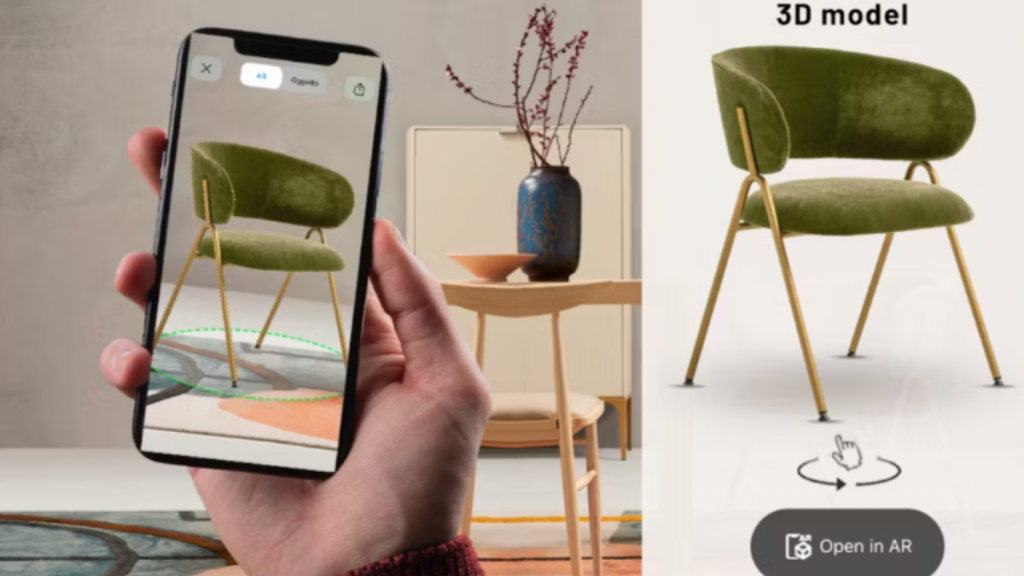
In the ever-evolving world of advertising, marketers are continuously seeking innovative ways to engage their target audiences. One of them is definitely related to the immersive world of Augmented Reality. Augmented Reality advertising has emerged as a powerful tool that blends the virtual world with the real one, creating interactive and immersive experiences for consumers. In this blog post, we’ll explore what is Augmented Reality advertising, how to use it and what are its benefits. We’ll also showcase some of the best AR campaigns that have redefined the way brands connect with their customers. Starting From the Beginning: What is AR? Everyone has heard of AR at least once! But what is Augmented Reality really? It’s a technology that changes the appearance of the real world by integrating digital information and items into it. In other words, using AR, you can instantly bring a digital object into a real space. And no, if you’re wondering, Augmented Reality and Virtual Reality are not the same thing. AR allows you to bring a digital product into a real space, while VR allows you to put yourself or a real product into a digital, non-real space. It’s quite different, but both VR and AR are used in marketing to create immersive experiences. Let’s focus on AR! What are AR Marketing and AR Advertising? AR marketing has witnessed a surge in popularity, and it’s not hard to see why. By leveraging AR, advertisers can add a layer of virtual content to the real world, bringing their products or services to life. Imagine seeing and experimenting with a digital product in your real space, isn’t it the ultimate shopping experience? That’s why AR advertising campaigns are becoming so popular. In particular, today one of the most exciting trends in Augmented Reality advertising is its fusion with video. AR-powered videos have become a compelling way to captivate audiences, allowing them to interact with digital elements superimposed on the physical environment. By allowing customers to interact with digital products and put them into their real spaces, merchants can level up the shopping journey, making the online experience more similar to the physical one (but without the hassle of going out and losing precious time!). Let’s recap what are the main advantages of using Augmented Reality advertising and marketing for merchants! Benefits of Using Augmented Reality in Advertising AR advertising brings an array of benefits to businesses seeking to engage customers on a deeper level: 1. Enhanced User Engagement AR advertising offers an unparalleled level of interactivity, encouraging users to actively participate in the brand’s story and message. By involving customers in immersive experiences, brands can forge stronger connections and leave a lasting impression. At the same time, customers can interact at a deeper level with products, boosting their interest and engagement with the brand. 2. Personalized Shopping Experiences AR allows customers to visualize products in their real-life settings before making a purchase. This feature significantly reduces purchase hesitation, as consumers gain confidence in their buying decisions. This is like crafting a hyper-personalized shopping experience, where customers can decide where to visualize products and interact with them, leveraging their real spaces during the process. 3. Boosted Brand Awareness Implementing Augmented Reality advertising campaigns creates a buzz around the brand, drawing attention from both potential customers and industry peers. Memorable and shareable AR experiences can lead to increased word-of-mouth promotion. 4. Data-Driven Insights AR technology enables marketers to collect valuable data on consumer behavior and preferences. By analyzing this data, businesses can fine-tune their advertising strategies for better results. 5. Competitive Edge Setting up AR campaigns sets brands apart from their competitors. Companies that adopt this technology early on can position themselves as innovative leaders in their respective industries, leveraging these immersive technologies to enhance the Customer Experience, boost sales and make customers more satisfied. How To Use AR Advertising in E-Commerce: Best Applications Augmented Reality advertising has a profound impact on e-commerce, revolutionizing the way customers shop online. How to use AR and advertising for merchants? Here are the top use cases: Virtual Try-Ons AR allows customers to virtually try on products like clothing, accessories, and even makeup. Imagine trying on a pair of glasses or a hat instead of simply seeing it on the screen. Pretty different, right? This feature boosts customer confidence and reduces returns, thereby avoiding the production of samples and enhancing overall customer satisfaction. Home Visualization For furniture and home decor brands, AR enables customers to visualize how products will look in their real spaces. This feature eliminates guesswork and facilitates purchasing decisions, also for high-priced items like sofas or canvas. Live Product Demonstrations AR empowers businesses to demonstrate complex products and their functionalities in a user-friendly manner. Using Augmented Reality for driving and demonstrating real products could be the perfect ally for assembling products. This enhances understanding and builds trust with potential buyers. Augmented Product Information AR can overlay additional product information, reviews, tutorials, and specifications, providing customers with comprehensive details that aid their decision-making process. This could be a great ally in marketing and promotion, giving customers another reason to buy the product. Gamified Experiences Incorporating AR games or challenges that are related to products makes shopping more fun and increases customer engagement, all while encouraging customers to spend more time on your platform and interact with your brand. AR in Action: Top Industries Leading the Way in AR Advertising Ok, every business can use AR Advertising, but what are the top industries today in this field? Furniture Furniture is undoubtedly one of the industries that can benefit the most from the use of Augmented Reality, both in advertising and marketing, and in the online sale of products. Imagine allowing your customers to view tables, paintings, and chairs in their actual living spaces, right at home. Conversion rates increase, returns decrease, and convincing customers to make a purchase becomes as easy as it is in-store! Beauty The beauty and makeup world has also become closely tied to AR in recent years.
Zakeke at Ministry of Enterprises and Made in Italy: Pioneering Italian-Made Global Tech Innovation

Minister Adolfo Urso and Angelo Coletta, CEO of Zakeke, discuss new trends in generative AI, mass customization, and 3D technology revolutionizing e-commerce and retail. Rome – July 25, 2024 – Angelo Coletta, CEO of Zakeke, Italian-made, world-leading AI Visual Commerce platform, met with Minister Adolfo Urso at the Ministry of Enterprises and Made in Italy to discuss new trends shaping the future of e-commerce and retail, including the impact of generative AI on processes, mass customization, and 3D technology for enhanced customer experiences. Founded in 2017, Zakeke offers brands advanced tools like live product personalization, AI-based 3D model generation, hyper-realistic 3D visualization, and immersive Augmented Reality and Virtual Try-On. Today, the company serves over 10,000 customers in 400 sectors across 200 countries, including major fashion labels like Valentino, Colmar, and Testoni, tech giants such as HP, and eco-conscious brands like Ecocup. The meeting focused on the transformative impact of new technologies like Visual Commerce, with mass customization and 3D, and AI on the retail and e-commerce sectors, with a special emphasis on how Generative AI is revolutionizing the industry by minimizing operational burdens for companies and enabling seamless technology adoption. This is why Zakeke is focused on integrating new AI features to further enhance the customer experience and streamline processes for merchants. As a result, Zakeke has recently been named a winner of the AI Breakthrough Awards, alongside notable brands like NVIDIA, Adobe, Lenovo, Dell, and OpenAI. This recognition underscores Zakeke as one of the world’s most innovative tech companies for its creative and advanced implementation of AI in Visual Commerce and immersive technologies, particularly for its use of AI in generating 3D models and configurations, significantly accelerating the 3D adoption process. “Meeting Adolfo Urso and discussing how Made in Italy technology and innovation is conquering the global Visual Commerce market at the Ministry of Enterprises and Made in Italy was an honor,” says Angelo Coletta, CEO of Zakeke. “This is an important testament to Zakeke’s commitment to innovation and to revolutionizing customer-brand interactions by creating unique customer experiences through the power of cutting-edge visual AI-powered technologies, establishing Italian-based tech as a global leader.”