

AR in Retail: Cool Use Cases & Key Benefits
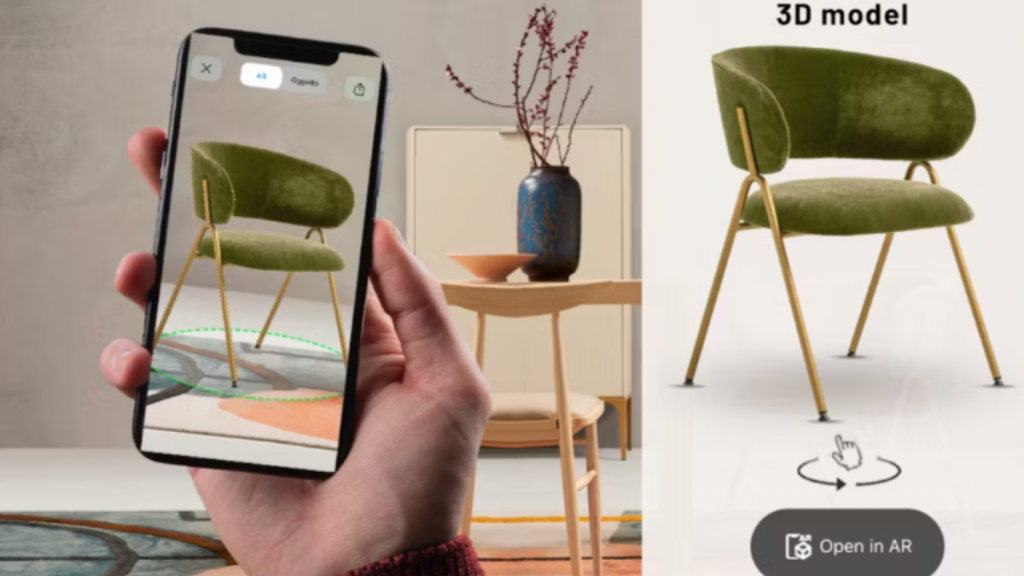
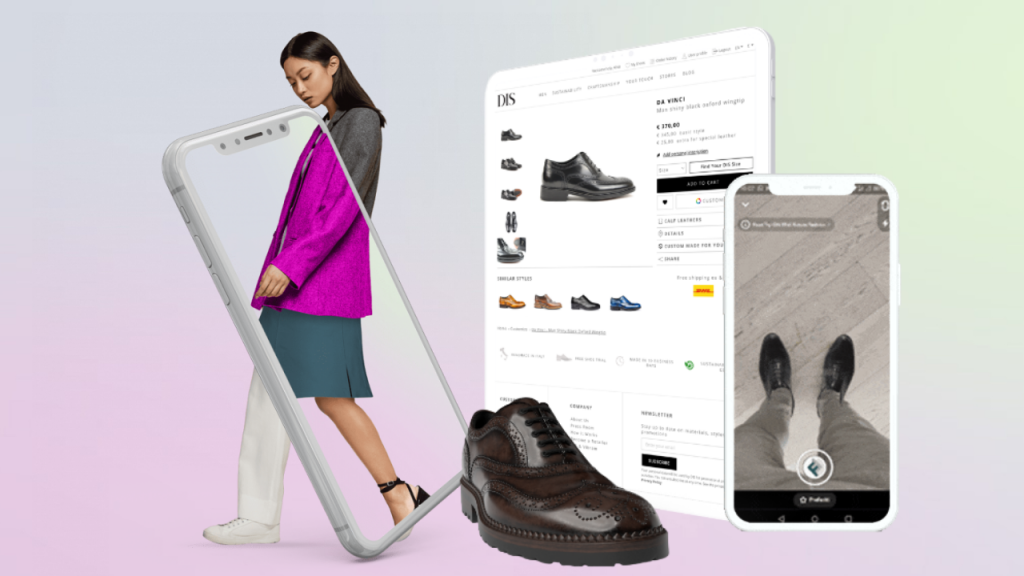
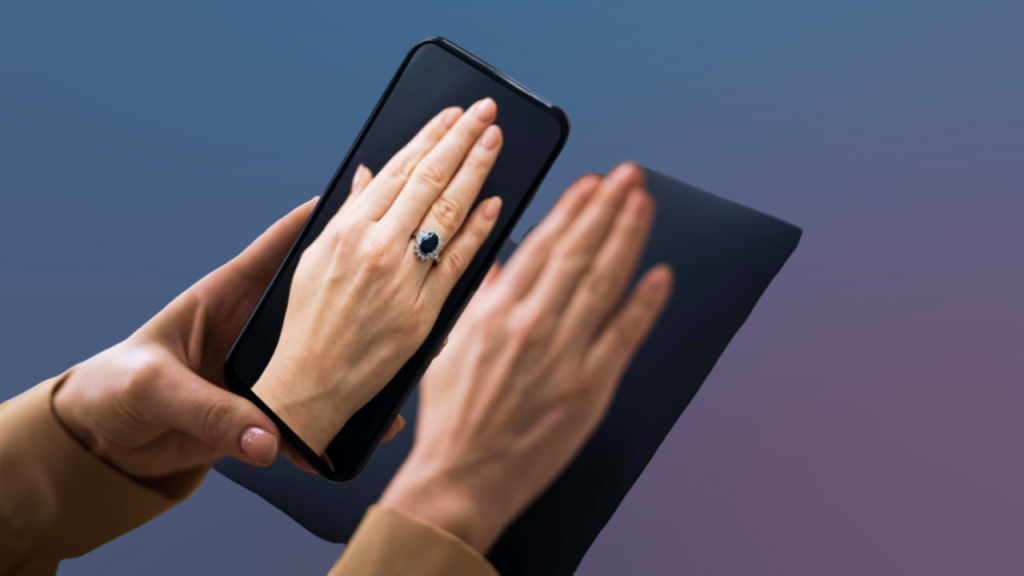
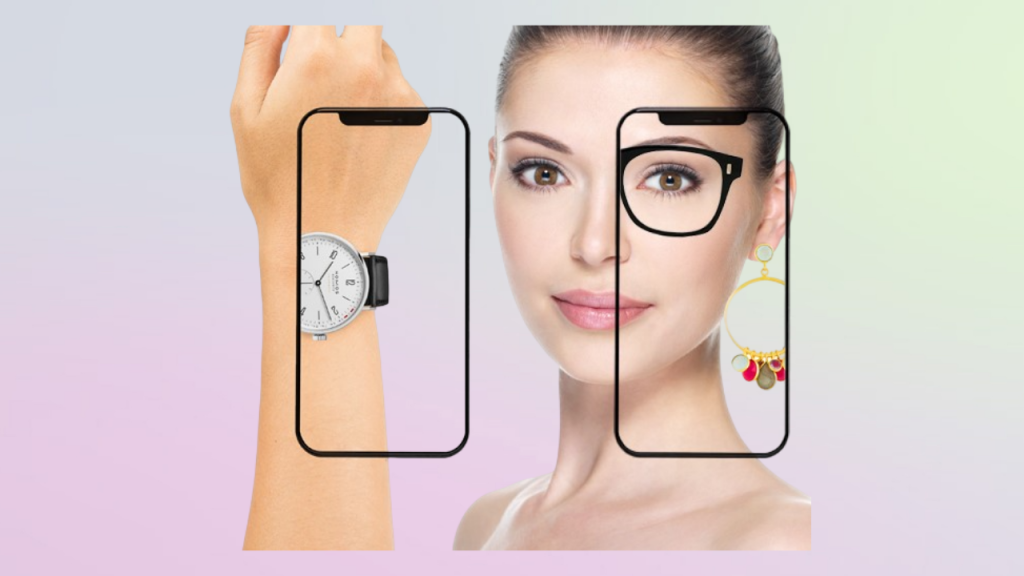
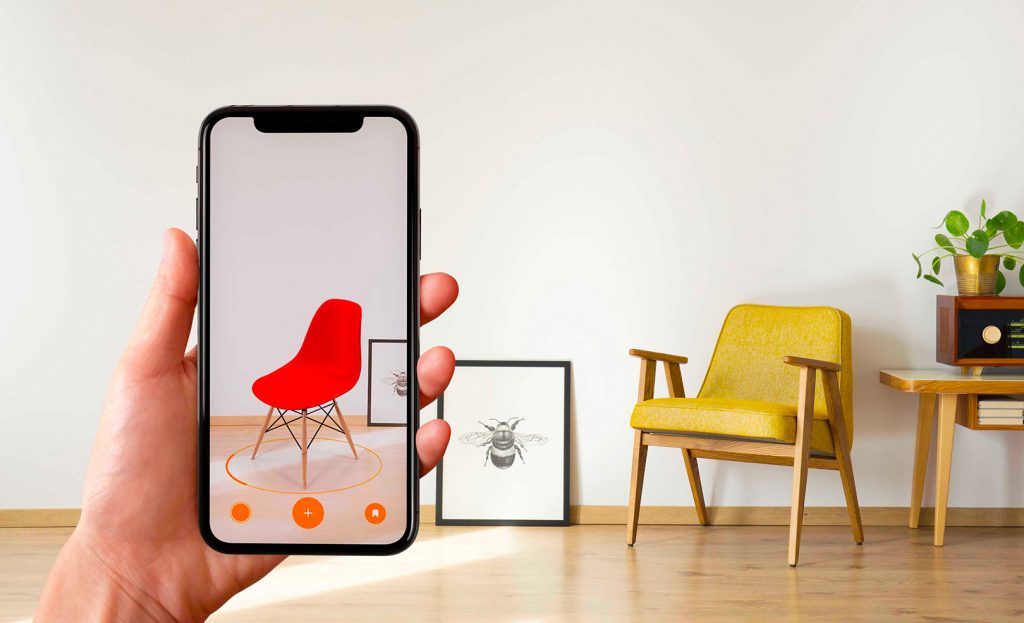
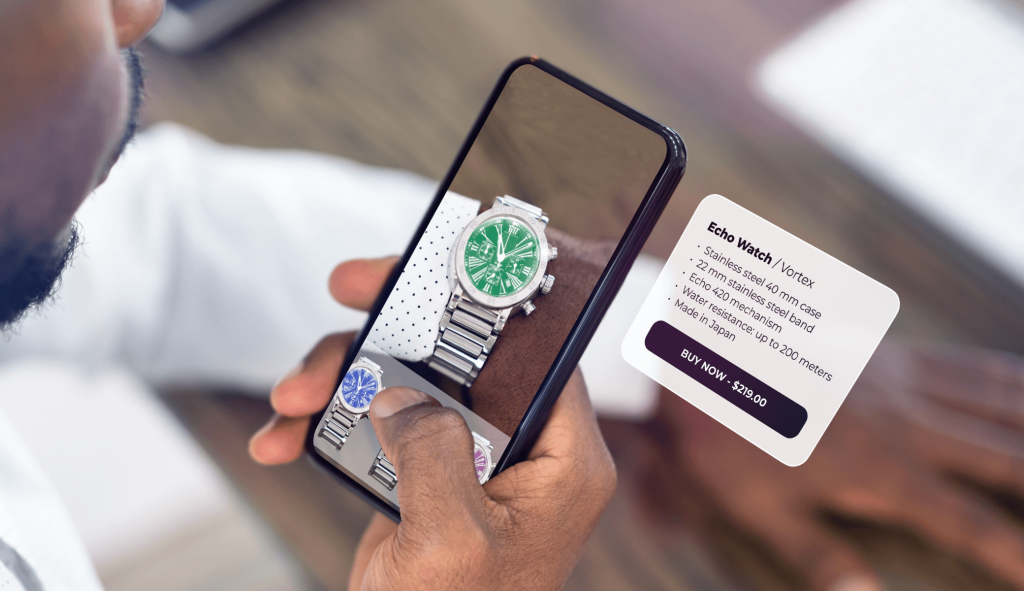
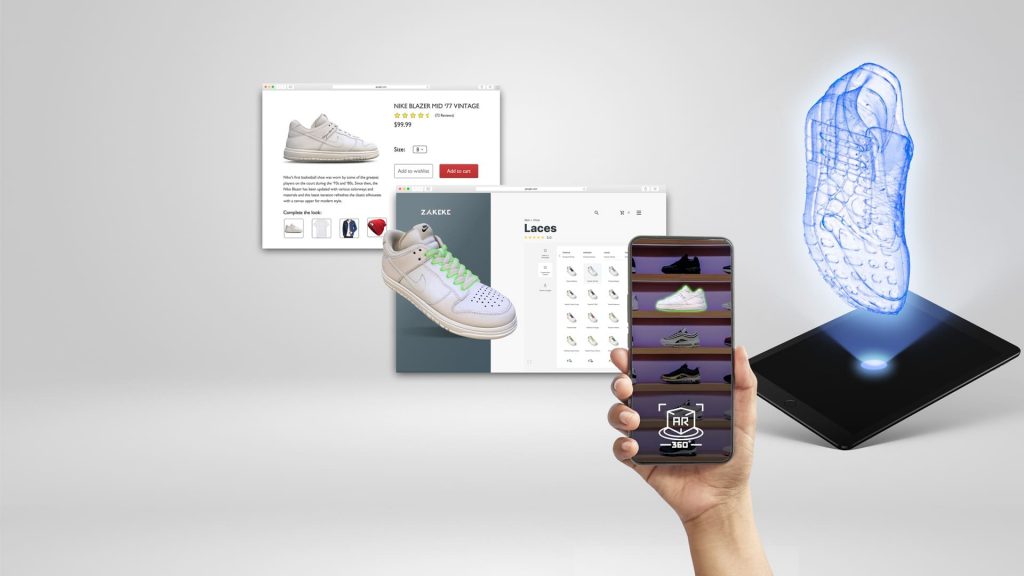
Want to boost sales on your e-commerce? Need to reduce your product returns? Or perhaps gain more loyal customers and brand advocates? Start using Augmented Reality in retail and create immersive experiences! Augmented Reality (AR) in retail has revolutionized the shopping experience. With Augmented Reality retail, customers can interact with products as they’d in a physical retail store. The result? Increased customer engagement and interaction. 68% of customers say they would spend more time at a retailer if they could shop with AR. Brands like Nike have been using AR in their stores and are seeing a quantum leap in revenue. But not only big brands can leverage AR and see an improvement in their performances. Also, small businesses can boost their results with AR, implementing this technology at an affordable price. But what exactly is AR technology, and how AR and VR are used today in fashion retail (and other kind of businesses)? In this guide, we’ll explore the benefits of AR in retail and explain how it has changed the industry. We’ll also provide examples of brands extensively using AR to boost retail experience and inspiring use cases to help you implement it in your store, easily. Let’s dive in! What is Augmented Reality? Let’s start from the beginning. What is Augmented Reality? AR is an emerging technology that enhances the real world by superimposing digital content on real-life objects. When someone points their camera-equipped device at an object, the built-in AR software employs a combination of computer vision and depth tracking techniques to analyze the video, recognize the object, and add digital content on top of it. This way, AR bridges the gap between the physical and digital worlds, improving Customer Experiences and unlocking new ways for shoppers to interact with products in real-time. Think about augmented reality products: seeing a table in your real living room, try-on glasses before buying them, experimenting sports accessories from your screen… this is a real retail revolution! AR in Retail Stores: Trends & Stats AR has revolutionized the retail experience, ushering in radical changes that have truly redefined the future of retail. More and more brands are leveraging AR in their retail stores, and here are some stats that prove it. In other words, AR shopping is really redefining the retail market. From virtual and AR shopping and in-store displays to virtual try-on features, AR in retail is everywhere. Just consider that retailers like Adidas, Nordstrom, Macy’s, and Ralph Lauren have already added virtual fitting rooms and AR experiences to their stores, giving consumers new shopping options while increasing sales and reducing returns. How Brands Are Using AR and VR in Retail for Marketing & Sales What are the most common use cases of AR in retail market and e-commerce? Here are 5 cool examples of using AR in retail: AR Shopping: Which Industries Are Using It the Most? AR in retail has the potential to benefit numerous industries, but which businesses are using this technology most effectively today? Benefits of Retail Augmented Reality AR for retail offers shoppers a completely new Customer Experience. With the help of AR, shoppers can virtually touch, move, spin and view products from all perspectives. This has resulted in many benefits for retailers, including: 1. Enhanced Shopping Experience The most obvious benefit of using AR in e-commerce is the enhanced customer experience. Studies have shown that more than 96% of customers will leave a brand due to poor customer experience. AR ensures this doesn’t happen! By bringing products to life virtually, AR allows users to get a sense of what they’re buying without seeing or touching the product physically. The increased user experience results from how this technology brings everything to life. Rather than viewing static images, AR allows you to virtually touch, spin, view products from all angles, and even try the product. In other words, it allows shoppers to get a better sense of what they are buying without taking a trip to the physical store. 2. Increased Engagement and Customer Satisfaction AR in retail offers piques customers’ interest in products while providing all the additional info they might need. By interacting with products virtually and trying on new products, customers engage more with a brand and its products. In fact, Augmented Reality leads to the discovery of more products. Additionally, Augmented Reality in retail stores ignites that emotional bond between customers and the brand. And when customers are more emotionally involved with a brand, they’re more likely to make repeat purchases, leading to customer loyalty. 3. Improved Product Visualization One of the biggest problems shoppers face is trying to visualize a product in their lives. Whether it’s a cosmetics item or a piece of furniture, many shoppers struggle to visualize how the product will look on them or in their homes. With AR, consumers are able to visualize a product in real life. Many furniture and home décor companies are leveraging AR to help shoppers get more conversions. With AR, consumers can test whether the furniture will fit in their space and have a better feel of how it will look in their home. 4. More Sales and Revenue Augmented Reality improves the in-store experience, which, in turn, boosts sales. This is because consumers who have a positive experience with a brand are more likely to make repeat purchases. Better still, the product try-on feature boosts the buyers’ confidence in the products, encouraging them to purchase. 5. Fewer Returns Merchandise worth approximately $102 billion was returned to stores in 2020. According to Chargebacks911, 37% of returns are the result of the shopper not liking the item, while 67% are due to a mismatch in the product description. AR in retail can help avoid these problems. With AR, customers can try on the product before buying and only commit to buying if the products virtually fit them or look great in their homes. Rather than relying on the static images displayed on Amazon, shoppers can try out the product, zoom, spin it, and even view it from all