
FREE LOOKBOOK

How 10 E‑Commerce Brands Use Personalization to Stand Out

Mass Customization

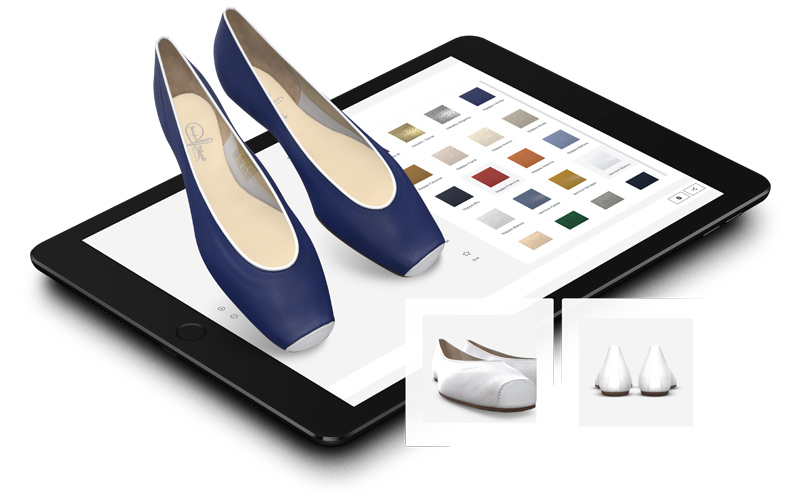
shoes 3Dconfiguration
Mass Customization

Learn How To Sell More Through Visual Product Customization

Alternatively, product personalization entails a system of creating or modifying a product through the use of existing customer data. The main difference here is that customization is done by the customer, whereas personalization is done by a machine or a team of people. A good way to think about it is that customization is about the customer getting the option to choose what they want, while personalization is about giving the customer what they need. The Importance Of Visual Product Personalization Given the choice, most customers would prefer to buy a product that has been tailored specifically for them. This is where product personalization comes in, as it allows businesses to do just that. It’s what allows companies to create a unique experience for their customers, and one that they’re not likely to get from their competitors. Put simply, personalization is a way of getting customers to feel special. It makes them feel like they’re important, and that the business cares about them enough to go the extra mile. If you’re looking to give your customers a unique buying experience, then customization may be the way to go. It can prove to be a great way to enhance your users’ experience and boost sales in doing so. 5 Ways To Sell More Through E-Commerce Visual Product Customization 1. Try Out Personalized Homepages The homepage is essentially the face of your store. It holds a high importance in terms of its capacity to make good first impressions and draw visitors in for further exploration. In this way, it’s also an ideal thing to personalize when looking to make your users’ experience more unique. If you’re already collecting cookies on your e-commerce website, you have an invaluable tool at your disposal to put this concept into action. . Use those cookies to display a personalized homepage for returning customers. This could include items they’ve browsed or added to their carts in the past, as well as related products and offers. While a simple trick, this can be extremely productive in engaging customers and helping them find their way. It positions them to focus on the categories they’re most interested in, make their online shopping distraction free and can therefore result in higher conversions for you. 2. Provide Personalized Buying Guides Providing on-site help to your website visitors through questionnaires as well as size and style guides can be effective ways to cater their shopping experience to them. This takes the form of a personal shopper, but without the need to leave your website or even speak to another human. An e-commerce platform that’s fully prepared for product customization can easily set this up. It begins with you capturing customer data when they first visit your website. Data from these assets can be leveraged to better understand visitors’ preferences and adapt their experience per their individual tastes and interests. It can be applied to create highly personalized product recommendations on the fly, and ultimately increase the chances of a purchase. 3. Personalize Content Based on Location Whether through cookies or a simple pop-up asking them, lots of websites obtain and leverage their users’ location data. It allows businesses to better understand where their customers are coming from and how they’re able to serve them best. This is extremely valuable information that can be employed in terms of personalizing user experience. Using geo-targeting, you can display relevant products, offers, prices and sizing options based on a given visitor’s location. You could also highlight products that are specific to the region, or even just slightly tweak the layout and content of pages to better suit regional preferences. Customizing product pages based on location in this way is a simple yet powerful adjustment you can use to drastically change the degree of personalization visitors are able to get when on your site.  4. Generate Campaigns From Specific User And Demographic Behavior If you’ve been collecting user data diligently, you’re likely already aware of the different types of customers who visit your website. You can use this to your advantage by targeting them with specific campaigns that are tailored to their interests. This could be in the form of a sale, or even a giveaway. It’s important to make sure that the content of these campaigns is relevant to what each group of users is interested in, in order to increase the chances of them engaging. Creating special campaigns for different user behavior groups can be a great way to show that you’re paying attention and care about their needs. It also helps to foster customer loyalty by showing them that you appreciate their business. 5. Leverage Customer Data In Email Marketing Email marketing is a powerful way to reach out to your customers and engage them on a more personal level. It’s also one of the most commonly used methods of communication, so it makes sense to put in the extra effort to make it as individualized as possible. You can do this by segmenting your email subscriber list based on different customer data points. This could be anything from what they’ve purchased in the past, to their location or even just their age group. Once you have your segments set up, it becomes much easier to create targeted content that resonates with each group. Not only will this increase the chances of customers opening and reading your emails, but it will also help to increase sales as a result. Personalizing the user experience is one of the best ways to show customers that you care about their business. By using the tips in this article, you’ll be able to create a more tailored shopping experience that is sure to please. Get started here If you are wondering what you can do with Zakeke, check out our DEMO STORE. Supported Platforms: Shopify WooCommerce Prestashop BigCommerce Salesforce OpenCart Etsy API ShopWired DISCOVER ZAKEKE START A FREE TRIAL     Stay up to date and follow us on LinkedIn, Facebook and Instagram

Read More >
architect interior designer
Mass Customization

5 Ways To Increase The Value Of Your Product

You’re an entrepreneur, and you invented an amazing product. Or maybe you made a crucial improvement to an existing product that improves the customer experience. You know it’s valuable, but how do you communicate the benefits with potential customers so they buy your product?  There are five factors that many entrepreneurs neglect, costing them time and money. With these tips, you can cut through the noise and increase your value proposition. You’ll reach customers at the right time with the right message. Actively Channel Creativity  Success isn’t happenstance. Successful entrepreneurs work hard for everything they have. It’s rare for a product to be accidentally profitable – especially in today’s market. There are dozens of other products on the market that look just like yours. How do customers tell the difference between you and the competition? That’s where your creativity comes in. Your product is unique and so are you. You can do all the research you want that outlines “actionable steps” for success, but without your spark of uniqueness, your efforts mean nothing. Instead of trying to fit in with current trends, stand out from the crowd. Everything about your product from the design to the packaging and marketing should exude uniqueness.  Improve Business Logistics If your business is frazzled behind the scenes, it shows through your products. This can manifest as inconsistencies in branding, product management, and even shipping and processing. When you streamline business logistics, you pay attention to every step of your product’s journey – no matter how small.  Make improvements where you can by taking feedback from employees, business partners, and customers. Turn feedback into actionable steps that improve your business model. If you’re not sure where to begin, consider these areas: Streamline Customer Support In an ideal world, your product descriptions tell customers everything they need to know and your product works perfectly every time. But sometimes your customers will be dissatisfied or have questions and they’ll need your help. You elevate your brand and offer product confidence when you have transparent customer support.  You want to keep product descriptions concise while also offering more in-depth information. The FAQ section on your website is a great place to share details. Be sure to include keywords that your customers may use to search your site to learn more. Some customers want to pick up the phone and talk to a real person. Others want to chat online. There are also customers that are OK with typing up an email and waiting on a response. When you offer different ways for customers to reach you, it helps make your brand more legitimate. Remember that you also have to offer customer service via any active social media channels, too.  Customers talk to one another. They share reviews online and tell their friends and family about your product. If you send a replacement part or honor a full refund, they share those details. You want to have a clear policy so that each customer receives consistent service.  Find Ways to Add Customization Keep in mind that you have to strike a balance between customization and simplicity. If the options are too overwhelming, your customers will abandon your product and move on to a competitor. Help them out by highlighting what options are most popular with other customers.  You can help potential customers understand the “why” behind customization options by framing each one as a product benefit. As an added bonus you can treat the customization step as a vehicle for feature education. Your customers are likely to dedicate time to the customization process, so integrate pertinent details into this step.  Introduce Digital Aspects Money is going digital with cryptocurrency. Art is going digital with NFTs. Your customers are always scrolling on their phones waiting for something to catch their attention. It’s easy to make a website and manage social media pages, so now you have to take your product to the next level. Make your product 3D on your website for a more engaging experience. Create a way for them to interact with your product in augmented reality (AR) before purchasing. For some, this may be futuristic, but these features are quickly gaining traction. You can be ahead of the trends instead of playing catch up later on. Have questions about how to implement these tips for increasing product value? Let us help!  If you are wondering what you can do with Zakeke, check out our DEMO STORE. Supported Platforms: DISCOVER ZAKEKE START A FREE TRIAL   Stay up to date and follow us on LinkedIn, Facebook and Instagram
Read More >
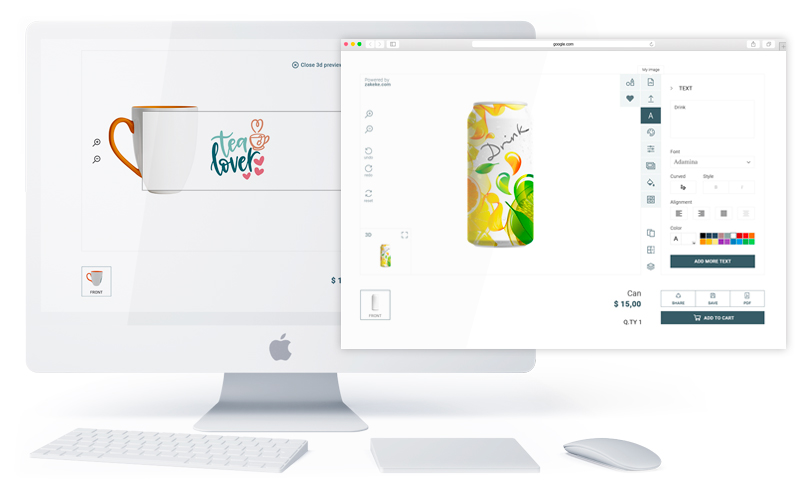
Zakeke product customizer tool
Mass Customization

Was ist ein Produktanpassungs-Tool? Und warum brauchen Sie eines für Ihren Shopify-Shop?

Die Verbraucher von heute sind versierter und haben höhere Erwartungen an Marken als in der Vergangenheit. Sie wollen personalisierte Erfahrungen und Produkte, die ihren Wünschen und Bedürfnissen entsprechen. Gibt es einen besseren Weg zur Personalisierung als ein Shopify-Produktanpassungs-Tool? Wie der Name schon sagt, ermöglicht ein Produktanpassungs-Tool den Kunden, ein Produkt nach ihrem eigenen Geschmack zu gestalten. Hier erfahren Sie, was ein Shopify-Produktanpassung-Tool ist und warum es eine großartige Ergänzung für Ihren Shopify-Shop sein kann. Was ist ein Shopify-Produktanpassungs-Tool? Ein Shopify-Produktanpassungs-Tool ist eine Software zur individuellen Produktgestaltung für E-Commerce-Shops. Es ermöglicht den Kunden, die Produkte nach ihren Bedürfnissen und ihrem Geschmack anzupassen. Sie können ein Produktanpassungs-Tool in Ihre Shopify-Anwendung integrieren. Zu den Produkten, die Sie mit einem Produktanpassungs-Tool anpassen können, gehören: Wenn Kunden Ihre Produkte kaufen möchten, können sie mit einem Produktanpassungs-Tool verschiedene Elemente der Produkte ändern. Sie können zum Beispiel aus verschiedenen Stoffen, Farbvarianten und mehr wählen. Und bei bestimmten Produkten können die Kunden auch Text hinzufügen sowie Formen, Schriftgröße, Schriftart und Schriftfarbe ändern, um sie wirklich nach ihren Vorstellungen zu gestalten. Ganz gleich, ob ein Kunde für ein Geschenk oder für sich selbst einkauft, er möchte den Luxus haben, es nach seinen Vorlieben zu gestalten. Die Möglichkeit, Produkte individuell anzupassen, erhöht die Kundenzufriedenheit, was wiederum die Zahl der abgebrochenen Einkäufe reduziert. Dies ist nur einer der vielen Vorteile eines Produktanpassungs-Tools, was uns zu unserem nächsten Punkt bringt. Vorteile eines Shopify-Produktanpassungs-Tools Sie können ganz einfach einen Produktkonfigurator oder ein Produktanpassung-Tool in Ihren Shopify-Shop integrieren. Auf diese Weise können Sie Käufern Online-Anpassungsoptionen für Ihre Produkte anbieten. Sie können verschiedene Texte, Bilder und Cliparts hochladen, die Ihre Kunden verwenden können, um ein personalisiertes Erlebnis zu schaffen. Ein Produktanpassungs-Tool macht diesen Prozess nahtloser, da es direkt mit Ihrem Shopify-Shop verbunden ist und Ihnen ermöglicht, Bestellungen auf der Grundlage der Auswahl eines Kunden zu erfüllen. Dadurch wird auch der manuelle Prozess minimiert, bei dem Sie herausfinden müssen, womit Sie jeden einzelnen Artikel bedrucken müssen. Ein Produktanpassungs-Tool erledigt all das für Sie, wenn Sie es mit einem Print-on-Demand (POD)-Service verbinden. So können Sie ein Produkt aus Katalogen auswählen und es als anpassbares Produkt verkaufen. Mit dem Produktanpassungs-Tool können Sie dann diese Bestellungen automatisch abwickeln und an Ihre Kunden versenden. Dazu können Sie einen Workflow erstellen, um die druckfertigen Dateien automatisch an Ihren bevorzugten POD-Anbieter zu senden. Im Folgenden finden Sie einige der Druckprozesse, die Sie mit einem Produktanpassungs-Tool automatisieren können: Neben der POD-Integration ermöglicht ein Produktanpassungs-Tool auch eine einfachere Bestandsverwaltung. So können Sie Ihr Shopify-Inventar in Echtzeit leichter verfolgen, anzeigen und anpassen. Dies wiederum trägt dazu bei, den Prozess vom Verkauf über den Bestand bis zum Versand zu optimieren. Das liegt daran, dass Shopify-Produktanpassungs-Tools es Ihnen ermöglichen, den Bestand Ihres E-Commerce-Shops mit 3D-Produktdesign zu verwalten, sodass Sie den Überblick über Ihre Artikel behalten können. Dies wird durch einen besser organisierten Katalog von Waren erreicht, die Sie sortieren, auf Lager halten, nachbestellen und verfolgen können. Eine visuellere Darstellung Ihrer Produkte ermöglicht eine einfachere und schnellere Bearbeitung Bieten Sie Ihren Kunden eine visuelle Anpassung mit dem Produktanpassungs-Tool von Zakeke Mit dem Shopify-Produktanpassungs-Tool von Zakeke können Sie jeden Artikel in Ihrem Shop in ein anpassbares Produkt mit 2D, 3D und Augmented Reality (AR) in Echtzeit verwandeln. Mit unserer schlüsselfertigen App können Sie Anpassungen in wenigen Schritten installieren und bereitstellen, d. h. mit minimalem Arbeitsaufwand. Sind Sie bereit, Ihre Produkte in anpassbare Artikel zu verwandeln, denen Ihre Kunden nicht widerstehen können? Holen Sie sich jetzt eine kostenlose 14-Tage-Testversion Wenn Sie sich fragen, was Sie mit Zakeke tun können, besuchen Sie unseren DEMO STORE. Unterstützte Plattformen: ZAKEKE ENTDECKEN KOSTENLOSE TESTVERSION STARTEN   Bleiben Sie auf dem Laufenden und folgen Sie uns auf LinkedIn, Facebook und Instagram

Read More >
Zakeke product customizer tool
Mass Customization

What Is a Product Customizer? And Why Do You Need it on Your Shopify Store?

Today’s consumer is more savvy and has higher expectations for brands than they did in the past. They want personalized experiences and products that meet their wants and needs. What better way to provide personalization than to use a Shopify product customizer? As the name suggests, a product customizer allows customers to customize a product to suit their unique tastes.  Here, we’ll cover what a Shopify product customizer is and how it can be a great addition to your Shopify store. What Is a Shopify Product Customizer? A Shopify product customizer is a custom product design software for e-commerce stores. It allows customers to customize products according to their needs and tastes. You can integrate a product customizer tool into your Shopify application.  Products that allow customization using product customizer software include: When a customer shops for your products, a product customizer allows them to change various elements of that product.  For example, they can choose from different fabrics, color variations, and more. And for certain products, customers can also add text as well as change shapes, font size, font type, and font color to truly make it their own.  Whether a customer is shopping for a gift or for themselves, they want the luxury of personalizing it to their preferences.  Being able to customize products improves customer satisfaction, which in turn, reduces cart abandonment. This is just one of the many benefits of a product customizer, which brings us to our next point. Benefits of a Shopify Product Customizer You can easily integrate a product configurator or customizer into your Shopify store. This allows you to provide shoppers with online product customization options for your products. You can upload different text, images, and clipart customers can use to create a personalized experience.  A product customizer makes this process more seamless as it connects right to your Shopify store, allowing you to fill orders based on a customer’s choices. This also minimizes the manual process of having to figure out what to print out for each item. A product customizer does all that for you when you connect it to a print-on-demand (POD) service.  This allows you to pick a product from catalogs and sell them as customizable products. Then, the product customizer allows you to automatically fill these orders and ship them out to your customers. You can do this by creating a workflow to automatically send the print-ready files to your preferred POD supplier. Below are some of the print processes a product customizer helps automate: Besides POD integration, a product customizer also allows for easier inventory management. So, it can make it easier to track, view, and adjust your Shopify inventory in real-time. This, in turn, helps streamline the sales to inventory to shipping process.  That’s because Shopify product customizers allow you to manage your e-commerce store inventory with 3D product design, providing you with a better way to keep track of items. It does this by offering a more organized catalog of goods to sort, stock, backorder, and track. A more visual representation of your products allows easier, faster processing Give Your Customers Visual Customization with Zakeke’s Product Customizer When you download Zakeke’s Shopify product customizer, you can turn any item in your store into a customizable product with real-time 2D, 3D, and augmented reality (AR).  With our turnkey app, you can install and deliver customizations in a few short steps, which means minimal manpower.Are you ready to turn your products into customizable items your customers can’t resist? Get a 14-day free trial now.

Read More >
Zakeke_luxury
Mass Customization

Product Customizers Are Making an Impact on the World of Luxury Goods

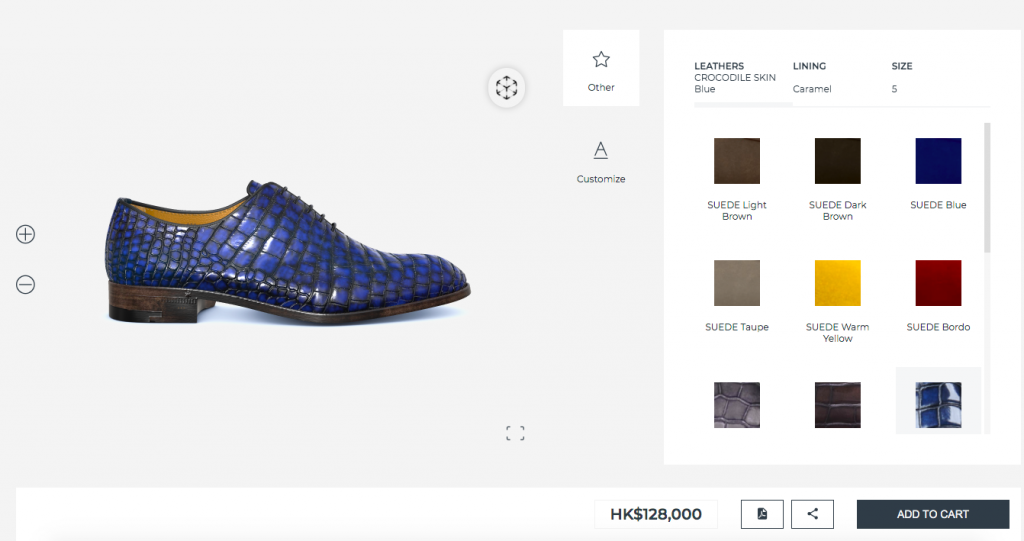
In a time of mass-production and global consumption, consumers are looking for new ways to express their individuality. It used to be that you could go into your local shop and find unique items that very few others would also have. With the advances in technology however, finding unique items has become more challenging with products and styles being dispersed globally and made accessible to the masses.  Shying away from conformity, consumers are now looking for brands that can offer, through product customizers, new solutions that can provide them, online and offline, with the individuality they are looking for.  We are Moving into the Age of Personalization To satisfy the desire for personalized and unique items, brands have begun to offer consumers the opportunity to design custom products both online and in store. This trend towards personalization has been occurring across the luxury market, with brands like Burberry, Louis Vuitton, Gucci, and Ralph Lauren all offering some form of personalization services.  A strategy of personalization is not only effective for satisfying consumer needs, but it is often a highly strategic and profitable venture for brands themselves. Increased Engagement To create a customized item, the consumer must play an active role in the design process and increase their overall engagement with a brand. In an environment where consumers have endless choice, engagements are one of the most valuable assets a brand can have. The process of product customization allows brands to form deeper relationships with their consumers and use their increased engagements to strengthen brand loyalty. This opportunity is invaluable for brands wanting to differentiate themselves, increase average customer spend, and grow their market share. More Word-of-Mouth Referrals When a consumer can design their own product, they are more likely to have a strong emotional attachment to the product itself. The consumer will have a pride of creation and ownership, making them more inclined to show-off and discuss the product with their peers. This desire to share will increase word-of-mouth advertising for a brand. Similarly, the strength of the consumer’s emotional attachment can help encourage other consumers to put their own spin on a brand’s product. Higher Price Tags  With 1-in-5 consumers willing to pay 20% more for a personalized item, personalization can generate a significant revenue stream for brands. By developing a business plan that strategically leverages both mass-market and personalized products, brands can strategically increase profits while also satisfying consumer needs. How to Leverage Technology for Personalization When it comes to integrating personalization services into a brand’s business strategy, technology will play a key role. Consumers not only expect the opportunity to customize products, but they also expect a seamless and high-quality customization experience. Equipped with the right technologies, brands can easily satisfy consumers expectations and provide an exceptional, unique product and a memorable brand experience. Augmented Reality (AR) & 3D Configuration When designing a customized product, the conceptual or digital picture a consumer has of the product is not always the same as what it will look like when held in their hands.  By leveraging an AR viewer or 3D configurator, brands can provide customers with a more accurate representation of what their final product will look like. Through virtual-try-ons and detailed views of the product, customers will know exactly what to expect. Offering this level of service will not only improve customer’s satisfaction with the final product but it will also elevate the entire customization experience.  For optimal use, an AR viewer or 3D configurator should be made available on both a brand’s website and in-store locations. This will allow for a more seamless execution and allow brands to cater to customers no matter how they choose to shop. Choosing the Right Technology Partner  Products are not all created equally, and neither is technology. To ensure the tech experience reflects the quality and identity of the brand, choosing the right tech partner is essential. Brands should look for a tech partner that fully understands their customization needs as well as the behaviours and preferences of their target customers. This will ensure the final product is created with the customer and brand in mind. The Future of Personalization As personalization becomes more mainstream across luxury brands, developing future growth strategies and roadmaps will be critical for on-going success. Brand’s that are looking to implement personalization should consider the following future trends and opportunities when building out their personalization strategy.  Data Collection As more and more customers shift towards purchasing customized products, brands will be able to collect valuable data on consumer behaviours and preferences. Tracking and monitoring the types of products customers are choosing to customize will help brand’s plan out their product lines and offer additional personalized services that align with current behaviours.    Implementing Personalization Across the Business  Offering customized products is just one piece of the personalization puzzle. For truly great results, brands should consider how they can implement personalization across all business departments. This might include implementing customized communication strategies, offers, product recommendations and experiences. By creating a comprehensive personalized strategy, brands will be able to extend the efficacy of the personalization strategy and increase brand loyalty and affinity with consumers.   Merging goals of scalability and individuality is the challenge for brand’s looking to excel at personalization. By creating and implementing processes, systems, and technologies that enable the co-existence of both scalability and individuality, brands will be able to capitalize on the shift in consumer preferences, build their brand loyalty, and re-affirm their position in the market.  Zakeke Visual Product Customizer works with clients in diverse industries ranging from fashion to paper products in integrating tech solutions into any e-commerce store. Get ahead of personalization and schedule a demo today. 

Read More >
Mass Customization

So wählen Sie das richtige visuelle Produktanpassungs-Tool für Ihr Geschäft aus – 6 Tipps

In den letzten Monaten hat die Produktanpassung einen erneuten Aufschwung erlebt. Traditionelle Unternehmen stellen zunehmend auf Online um. Und Web-Unternehmen suchen nach Wegen, um immer mehr Kunden anzuziehen. Und die Lösung hat oft einen Namen: Produktanpassung. Mehrere Studien haben gezeigt, dass maßgefertigte Produkte einen größeren Kundennutzen bieten als Standardprodukte, weil sie den Kundenwünschen besser entsprechen. Kunden sind eher bereit, ein maßgefertigtes Produkt zu kaufen , weil sie das Produkt besser verstehen, ihre Präferenzen besser zum Ausdruck bringen können und stärker in das Produkt involviert sind. Um die Erwartungen Ihrer Kunden zu erfüllen, benötigen Sie ein leistungsstarkes visuelles Produktanpassungs-Tool. Es gibt immer mehr Personalisierungs-Tools, aber Sie müssen das richtige auswählen, um zu vermeiden, Zeit, Geld und Kunden zu verlieren. Hier finden Sie 6 Tipps, die Ihnen bei der Auswahl des besten visuellen Produktanpassungs-Tools helfen werden.. 1. Unterstützte E-Commerce-Plattformen Nicht alle Produktanpassungs-Tool sind mit allen E-Commerce-Plattformen kompatibel. Ganz gleich, ob Sie Shopify, WooCommerce, Magento oder eine andere Plattformverwenden – Sie müssen sich vergewissern, dass das Programm, das Sie auswählen möchten, kompatibel ist. Wir raten Ihnen, ein Tool zu wählen, das mehrere Plattformen unterstützt und eine Plug & Play-Lösung bietet. Auf diese Weise bereitet Ihnen die Migration keine Kopfschmerzen, wenn Sie in Zukunft die Plattform wechseln möchten. Ein weiterer Aspekt, den Sie berücksichtigen sollten, ist die Kompatibilität mit den wichtigsten mobilen Betriebssystemen, Android und iOS. Denken Sie daran, dass 72,9 % der gesamten E-Commerce-Ausgaben über Mobilgeräte getätigt werden. 2. 3D- und AR-Funktionen Ein visuelles Produktanpassungs-Tool ist nur wirklich „visuell“ mit Technologien, die das Produkt so zeigen, wie es wirklich ist. 3D- und Augmented Reality-Technologien ermöglichen es dem Kunden, mit dem Produkt in Kontakt zu kommen. Gemeinsam können sie das Produkt zum Leben erwecken und es zum Beispiel direkt im Wohnzimmer des Kunden zeigen. Diese Technologien heben das Einkaufserlebnis auf die nächste Stufe. Der Kunde ist sich völlig der Eigenschaften des Artikel, den er kaufen möchte, bewusst. Dadurch wird der Kunde eher zum Kauf geneigt. Ganz zu schweigen davon, wie viel Spaß es macht, ein Produkt so zu sehen, als ob es tatsächlich vor uns wäre. Bis 2026 werden generationenübergreifende Verbrauchergruppen 3D-Einzelhandelserlebnisse verlangen. Die Verbreitung des Internets und von Smartphones mit Augmented-Reality-Funktionen wird dazu führen, dass sich die Kunden in Zukunft ganz vom traditionellen Einkaufen verabschieden werden. Dies ist einer der Gründe, warum Sie sich noch heute für den 3D-Handel entscheiden sollten. Wir haben uns hier. 3. Unbegrenzte Konfigurationsmöglichkeiten Egal, ob Sie ein Produkt oder 100 Produkte verkaufen – Ihr visuelles Produktanpassungs-Tool muss Ihneneine unbegrenzte Zahl von Konfigurationsmöglichkeiten bieten Zum einen, weil Sie in Zukunft vielleicht die Anzahl der konfigurierbaren Produkte erhöhen möchten, und zum anderen, weil Sie ein modulares Produkt verkaufen, dessen Kombinationen potenziell unendlich sind. So können Sie Kunden alle möglichen Optionen zeigen. Aber nicht nur das. Ein visuelles Produktanpassungs-Tool muss Ihnen auch die Möglichkeit bieten, unbegrenzte Druckmethoden für ein oder mehrere Produkte anzubieten. Mit anderen Worten, es muss flexibel und skalierbar sein, damit Ihr Unternehmen wachsen kann. Ein Tool mit Einschränkungen wird auch das Wachstum Ihres Unternehmens einschränken oder Sie zwingen, in Zukunft zu einem anderen Tool zu wechseln. 4. Benutzerfreundlichkeit Das Personalisierungserlebnis muss ein Spiel sein, sowohl für Sie als auch für Ihre Kunden. Es muss Spaß machen, spannend und unterhaltsam sein. Wenn Installation und Konfiguration schwierig sind, werden Sie sich damit schwer tun und viel länger brauchen. Und wenn der Online-Personalisierungsprozess langsam und umständlich ist, wird der Kunde nach wenigen Sekunden aufgeben. Ein visuelles Anpassungs-Tool muss Kunden ansprechen und sie länger auf Ihrer Website halten, anstatt sie abzuschrecken. Was Sie betrifft, so muss das Backoffice benutzerfreundlich und intuitiv sein und alles integrieren, was Sie für die Auftragsverwaltung benötigen Das Tool kann mit komplexen Konfigurationsoptionen umgehen, aber das bedeutet nicht, dass es kompliziert in der Anwendung sein muss. Wenn Sie auf der Suche nach einem benutzerfreundlichen Tool sind, klicken Sie hier. 5. Regelmäßige Updates Wenn es um Software geht, wissen wir, dass die Häufigkeit von Updates ein entscheidender Punkt ist. Viele Produktanpassungs-Tool werden auf den Markt gebracht und dann nie oder nur selten aktualisiert. Außerdem könnte der Mangel an Aktualisierungen das Programm angreifbar machen. Dies ist also ein weiterer Aspekt, auf den Sie achten müssen. Regelmäßige Aktualisierungen sind ein Zeichen dafür, dass der Anbieter seinen Kunden gegenüber aufmerksam ist, ihre Bedürfnisse berücksichtigt und darauf bedacht ist, immer das Beste zu bieten. Anbieter, die zeitnahe Aktualisierung anbieten, hören hingegen in der Regel auf das Feedback ihrer Kunden, um ihr Tool zu verbessern und die gefragtesten Funktionen hinzuzufügen. 6. Omnichannel-Ansatz Wer hat gesagt, dass Personalisierung nur etwas für Online-Shops ist? In der Tat geht der Trend dahin, traditionelles Einkaufen mit digitalem Einkaufen in einer Omnichannel-Perspektive zu kombinieren. Mit anderen Worten: ein einzigartiges Kundenerlebnis zu schaffen, das Online- und In-Store-Services integriert. Ein Tablet reicht bereits aus, um die Produktanpassung in den Laden zu bringen. Das ist der Ansatz, den die größten Marken verfolgen. Verkäufer können Kunden so die unendlichen Anpassungsmöglichkeiten eines Produkts zeigen, ohne den Kunden zum Online-Shop verweisen zu müssen. Nicht alle Produktanpassungs-Tools verfolgen diesen Omnichannel-Ansatz. Hier finden Sie 6 Tipps, die Ihnen bei der Auswahl des besten visuellen Produktanpassungs-Tools für Ihren Shop helfen werden. Möchten Sie sehen, wie ein visuelles Produktanpassungs-Tool funktioniert? Werfen Sie einen Blick in den DEMO-Shop oder vereinbaren Sie einen Anruf mit einem unserer Experten für visuelle Anpassungen, um mehr zu erfahren. Bleiben Sie auf dem Laufenden und folgen Sie uns auf LinkedIn, Facebook und Instagram.

Read More >
The-right-visual-product-customizer
Mass Customization

How to choose the right Visual Product Customizer for your store – 6 Tips

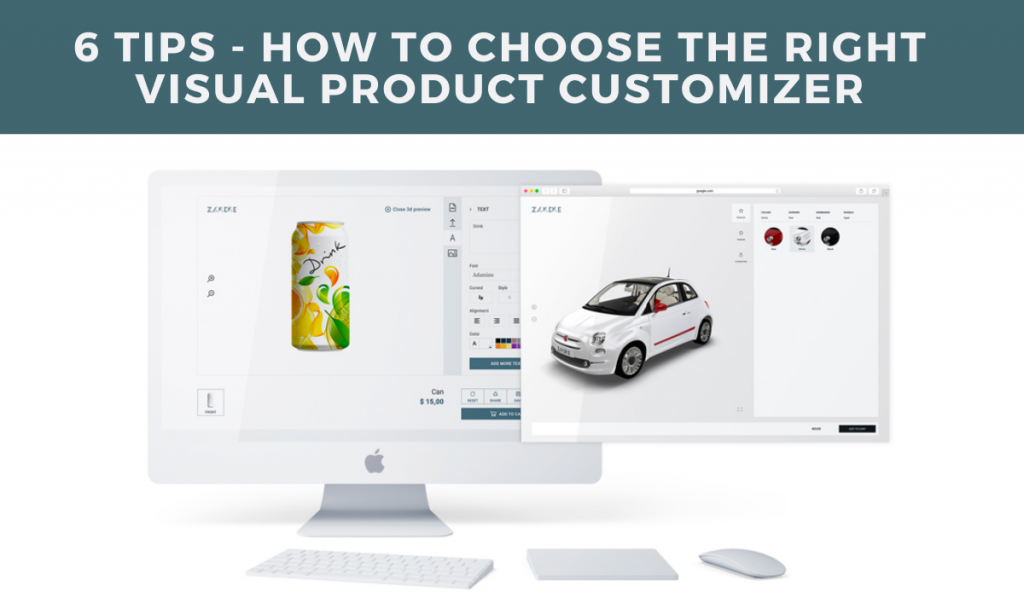
In recent months, product customization experienced a new youth. Traditional companies are increasingly switching to online. And web companies are looking for ways to attract more and more customers. And the solution has often a name: Product Customization. Several studies showed that customized products create greater customer benefits than standard products because they deliver a closer preference fit. Clients are more likely to pay for a customized product because they have a greater understanding of the product, a better ability to express their preferences, and greater product involvement. To meet customer expectations, you need a powerful Visual Product Customizer. There are more and more personalization tools, but you have to choose the right one in order not to waste time, money and customers. Here are our 6 tips on how to choose the right Visual Product Customizer for your store. 1. Supported eCommerce Platforms Not all product customizers work for all eCommerce platforms. Whether you are using Shopify, WooCommerce, Magento or anything else you need to verify that the tool you are about to choose is compatible. The advice is to select the tool that supports more platforms and that is a plug-and-play solution. In this way, any migration process will not create a headache if you want to change platforms in future. Another aspect to consider is the compatibility with the main mobile operating systems, Android and iOS. Remember that 72,9% of the total eCommerce spend is mobile. 2. 3D & AR features A Visual Product Customizer is not truly “visual” if it does not support technologies capable of showing the product as it really is. 3D and Augmented Reality technologies allow the customer to get in touch with the product. Together they can bring to life the product and show it – for example – directly into customer’s living room. These technologies take the shopping experience to the next level. The customer is fully aware of the object he is about to buy. This will make client more inclined to buy. Not to mention the fun of seeing a product as if it were actually there in front of us. By 2026, multi-generational consumer groups will demand 3D retail experience. The spread of the Internet and smartphones with augmented reality capabilities will lead customers to completely abandon traditional shopping in future. This is one of the reasons why you should choose 3D Commerce today. We explored 3D Commerce here. 3. Unlimited Configuration Options Whether you have one product or a hundred, the right Visual Product Customizer must allow you to manage endless configuration options. Both because in the future you may want to increase the number of configurable products and because you are selling a modular product whose combinations are potentially infinite. This allows you to show customers all possible options. Not only. A Visual Product Customizer must also offer you the option to set unlimited printing methods for one or more products. In other words, it must be flexible and scalable to allow your company to be the same. A limited tool will also limit the growth of your business or force you to change it in future. 4. Ease to use The personalization experience must be a game, both for you and for your customers. It has to be fun, exciting and engaging. If installation and configuration are difficult, you will get bored and it will take you much longer. If the online personalization process is slow and cumbersome, the customer will quit after a few seconds. A Visual Product Customizer needs to engage customers and keep them on your website longer, not let them slip away. As for you, the back office needs to be user-friendly, intuitive and integrate everything you need for order management. The tool can handle complex configuration options, but it doesn’t mean it has to be complex to use. If you are looking for an easy-to-use tool, click here. 5. Regular Updates When it comes to software, we know that the frequency of updates is a key point. Many product customizers are launched and left behind with no or infrequent updates. Furthermore, the absence of updates could make the tool vulnerable. So, pay close attention to this aspect. Regular updates are a symptom that the vendor is attentive to his customers, pampers them and is concerned about always offering the best. Those who offer timely updates are the same vendors who listen to their customers’ feedback in order to improve their tool and add the most sought-after functions. 6. Omnichannel Approach Who said that personalization is only for online stores? The trend is to mix traditional shopping with digital shopping in an omnichannel perspective. In other words, creating a unique customer experience, which integrates online and in-store services. Just a tablet to bring product customization in-store. This is the approach adopted by the biggest brands. Salespeople can thus show customers the infinite customization options of a product, without having to send the customer back or tell him to visit the online store. Not all product customizers take this omnichannel approach. These are the 6 Tips that will help you Choose the Best Visual Product Customizer for your store. Want to see how a Visual Product Customizer works? Take a look at the DEMO Store or Schedule a Call with one of our Visual Customization experts for more info.

Read More >
prestashop zakeke
Mass Customization

Warum Sie ein Produktanpassungs-Tool mit 3D-Konfigurator für Ihren Prestashop-Shop benötigen

Die Art des Einkaufens hat sich definitiv geändert. Die Pandemie hat selbst die Skeptiker dazu veranlasst, in einer Omnichannel-Perspektivezu denken und mit ihrem Geschäft online zu gehen. Allerdings hat das Online-Shopping einen großen Nachteil gegenüber dem traditionellen Einkaufen: das Fehlen eines direkten Erlebnisses mit den Produkten. Aus diesem Grund bevorzugen viele Kunden in einigen Branchen das Einkaufserlebnis im Geschäft. In diesem Zusammenhang kann ein Produktanpassungs-Tool mit 3D-Konfigurator helfen, Nachteile in Vorteile umzuwandeln. Es hilft, das Produkt besser zu erklären als ein Bild oder eine Beschreibung. Und vor allem bietet es ein personalisiertes Kundenerlebnis. In der Tat kaufen 80 % der Kunden eher bei Marken, die personalisierte Erlebnisse bieten, und 32 % fordern personalisierte Angebote an. Die meisten Online-Käufer treffen ihre Wahl aufgrund der grafischen Darstellung. Was ist ein Prestashop-Produktanpassungs-Tool? Ein Produktanpassungs-Tool ist eine Softwareanwendung, mit der Kunden Produkte direkt in Ihrem Online-Shop anpassen können. Im Falle eines Produktanpassungs-Tools wie Zakeke wird das Erlebnis durch 3D-Modelleverbessert, die es dem Kunden ermöglichen, mit dem Produkt wie in einem Ladengeschäft in Berührung zu kommen. Es bietet eine neue Möglichkeit, mit Produkten zu interagieren. Kunden können sie aus jedem beliebigen Winkel betrachten, sie drehen, heranzoomen und so weiter. Sie können auch das Material ändern, Elemente auswählen usw. Mit anderen Worten, sie können alles tun, was sie im wirklichen Leben tun würden. Warum sollten Sie ein Prestashop-Produktanpassungs-Tool mit 3D-Konfigurator verwenden? Mit einem Prestashop-Produktanpassungs-Tool mit 3D-Konfigurator bieten Sie Ihren Kunden alle Tools, die sie benötigen, um genau die Artikel zu erstellen, die sie kaufen möchten. Die Vorteile der Implementierung eines Produktanpassungs-Tools in Ihrem Prestashop-Shop sind zahllos. . Versuchen wir, die wichtigsten aufzulisten: Conversion rate: Aktuelle Studien zeigen, dass die Conversion Rate auf Produktseiten mit 3D-Modellen und AR-Technologie um bis zu 250 % steigt und dass Kunden bereit sind, mehr für die von ihnen entworfenen und angepassten Produkte zu bezahlen. Die Produktanpassung hilft dem Kunden in der Entscheidungsphase. Menschen neigen dazu, sich an 80 % von dem zu erinnern, was sie sehen oder tun, im Gegensatz zu nur 10 % von dem, was sie hören und 20 % von dem, was sie lesen. 67 % der Verbraucher sagen, dass hochwertige visuelle Inhalte wichtiger sind als Produktbeschreibungen oder Kundenbewertungen. Kosteneffizienz: Der Einsatz von Software zur Produktanpassung hilft Ihrem Unternehmen, die Kosten zu senken – vor allem, wenn Ihr Unternehmen allgemeine Artikel auf Lager hat oder per Dropship versendet, die einfach über einen Print-on-Demand-Service konfiguriert werden können. Darüber hinaus entfällt die Notwendigkeit, endlose Varianten desselben Produkts auf Ihrer Website zu präsentieren. Sie ermöglichen es Ihren Kunden einfach, kreativ zu werden. Reduzierung der Rücksendungen: E-Commerce-Shops haben eine höhere Anzahl an Rücksendungen als physische Läden. Sie liegt bei etwa 20 % gegenüber 8–10 %. Mit einem Produktanpassungs-Tool mit AR- und 3D-Technologien können Kunden jedes Detail überprüfen. Das Bild wird so realitätsnah wie möglich sein, was die Kundenzufriedenheit erhöht und somit die Anzahl der Rücksendungen senkt. Workflow-Automatisierung: Ein Produktkonfigurator verbindet sich mit Ihrem Prestashop-Shop und bietet eine perfekte Integration mit Ihrem ERP und Ihrem Business-Ökosystem. Er muss die beste Automatisierungssoftware für E-Commerce unterstützen, um Ihren Business-Workflow zu vereinfachen. Hochmodernes Kundenerlebnis: Bis 2026 werden generationenübergreifende Verbrauchergruppen 3D-Einzelhandelserlebnisse verlangen. Die Verbreitung des Internets und von Smartphones mit Augmented-Reality-Funktionen wird dazu führen, dass sich die Kunden in Zukunft ganz vom traditionellen Einkaufen verabschieden werden. Das ist einer der Gründe, warum Sie sich für einen 3D-Produktkonfigurator entscheiden sollten.   Was können Sie mit einem Prestashop-Produktanpassungs-Tool mit 3D-Konfigurator tun? Auch hier sind die Optionen endlos. Ihrer Fantasie sind keine Grenzen gesetzt. Um Ihnen einen Vorgeschmack darauf zu geben, was Sie mit einem Prestashop-Produktanpassungs-Tool mit 3D-Konfigurator tun können, besuchen Sie den Demo-Shop, wo Sie Zakeke in Aktion sehen können. Hier sind die besten Funktionen, die ein Prestashop-Produktanpassungs-Tool mit 3D-Konfigurator haben muss: 3D-Konfiguration: Kunden müssen in der Lage sein, ihre eigenen Versionen Ihrer Produkte zu erstellen, Komponenten auszuwählen, Elemente und Materialien zu ändern, Farben anzupassen und vieles mehr. Augmented Reality und 3D-Ansicht: Kunden müssen in der Lage sein, den personalisierten Artikel in ihrem eigenen Raum in realer Größe über Augmented Reality zu sehen und ein realistisches Live-3D-Modell des Produkts zu sehen, in das sie hineinzoomen, das sie drehen und mit dem sie interagieren können. Erfahren Sie mehr über die Bedeutung des 3D-Handels. Unbegrenzte Konfigurationsmöglichkeiten: Sie brauchen Flexibilität und Skalierbarkeit. Ein Prestashop-Produktanpassungs-Tool mit 3D-Konfigurator muss Ihnen unbegrenzte Konfigurationsoptionen bieten. Das heißt, Sie müssen in der Lage sein, mehrere Farben, Größen und Stile für ein und dasselbe Produkt festzulegen; Vorlagen für den bearbeitbaren Bereich Ihres Produkts zu erstellen, anstatt es Ihren Kunden zu überlassen, es von Grund auf zu personalisieren; Regeln und Einschränkungen für jedes Design festzulegen, alle Seiten und Winkel Ihres Produkts anpassbar zu machen oder zwischen einem einfachen Druck oder einem Vollflächendruck zu wählen. Flexible Druckmethoden: Sie müssen in der Lage sein, unbegrenzte Druckmethoden für ein oder mehrere Produkte, Seiten und Varianten einzustellen. Sie können Einstellungen für Ihre druckfertigen Dateien definieren, die für andere Gravur-, Stick- und Personalisierungsmethoden als den Druck verwendet werden können. Omnichannel-Ansatz: Es ist ein Irrtum zu denken, dass die Produktanpassung nur für Online-Shops geeignet ist. In der Tat geht der Trend dahin, traditionelles Einkaufen mit digitalem Einkaufen in einer Omnichannel-Perspektive zu kombinieren. Mit anderen Worten: ein einzigartiges Kundenerlebnis zu schaffen, das Online- und In-Store-Services integriert. Ein Tablet reicht bereits aus, um die Produktanpassung in den Laden zu bringen. Wie integriere ich ein Produktanpassungs-Tool mit 3D-Konfigurator? Zakeke kann Ihnen helfen, ein Produktanpassungs-Tool mit 3D-Konfigurator in Ihren Prestashop-Shop zu integrieren. Zakeke ist eine innovative Cloud-Plattform und bietet die besten Funktionen, die ein Produktanpassungs-Tool haben muss. Es bietet Lösungen für alle Arten von Unternehmen: von kleinen Unternehmen bis hin zu den wichtigsten internationalen Marken. Es ist eine der weltweit besten Produktkonfigurations-Plattformen mit beispielloser 3D-Bildqualität. Sie glauben es nicht? Werfen Sie einen Blick in den Demo-Shop und überzeugen Sie sich selbst. Möchten Sie die Konkurrenz schlagen? Starten Sie jetzt die kostenlose Testversion oder vereinbaren Sie einen Anruf mit einem unserer Produktkonfigurationsexperten für Prestashop. Wenn Sie erfahren möchten, wie Sie Zakeke in Ihren Prestashop-Shop integrieren können, klicken Sie hier.

Read More >
prestashop zakeke
Mass Customization

Why you need a Product Customizer & 3D Configurator for your Prestashop store

The way of shopping definitely changed. The pandemic has prompted even the most skeptical to think in an omnichannel perspective and to bring their business online. However, online shopping has a real big disadvantage compared to traditional shopping: the lack of a direct experience with the products. This is why many customers in some sectors prefer to have an in-store shopping experience. In this context, a Product Customizer & 3D Configurator can help turn disadvantage into advantage. It helps to better explain the product than an image or a description. And, above all it offers a personalized customer experience. In fact, 80% of customers are more likely to purchase from brands that offer personalized experiences and 32% request personalized offers. Most online buyers base their choices on graphical representation. What is a Prestashop Product Customizer? A product customizer is a software application that allows customers to customize the products directly on your online store. In the case of a product customizer like Zakeke, the experience is enhanced by 3D models that allow customers to get in touch with the product, exactly as it happens in store. It offers a new way to interact with products. Customers can view them from any angle, rotate them, zoom in and so on. They can also change material, choose elements, etc. In other words, they can do everything they would do in real life. Why use a Prestashop Product Customizer & 3D Configurator? A Prestashop Product Customizer & 3D Configurator gives your customers all the tools they need to create exactly what they want to buy. The advantages of implementing a product customizer in your Prestashop shop are countless. Let’s try to list the main ones: Conversion rate: recent studies reveal conversion rates increase by up to 250% on product pages with 3D models and AR technology and that customers are willing to pay more for the products they have designed and customized. Product customization helps the customer in the decision-making phase. People tend to remember 80% of what they see or do versus only 10% of what they hear and 20% of what they read. 67% of consumers say high-quality visual content is more important than product description or customer ratings. Cost-Effectiveness: using product customization software helps your business reduce costs too – especially if your business stocks – or dropships – generic items that can be simply configured through a print on demand service. In addition, it eliminates the need to present endless variations of the same product on your site. You simply let your customers get creative. Return reduction: E-commerce has a higher rate of return than the physical store. It is around 20% versus 8-10% respectively. A product customizer with AR and 3D technologies allows the customer to inspect every detail. The image will be as close to reality as possible, increasing customer satisfaction and thus reducing the return rate. Workflow automation: a product configurator connects to your Prestashop shop offering a perfect integration with your ERP and your business ecosystem. It must support all the best automation software for eCommerce making your business workflow easy. Cutting-edge customer experience: By 2026, multi-generational consumer groups will demand 3D retail experience. The spread of the Internet and smartphones equipped with augmented reality capabilities will lead the customers of the future to completely abandon traditional shopping. This is one of the reasons why you should choose a 3D Product Configurator. What you can do with a Prestashop Product Customizer & 3D Configurator? Again, options are endless. The only limit is your imagination. To give you a taste of what you can do with a Prestashop Product Customizer & 3D Configurator visit the demo store where you can see it in action. Here are the best features that a Prestashop Product Customizer & 3D Configurator must have: 3D Configuration: customers have to be able to build their own versions of your products, choosing component, changing elements and materials, customizing colors and more and more. Augmented Reality e 3D view: customers have to be able to see the personalized item in their own space in real size via Augmented Reality and see a live and realistic 3D model of the product that they can zoom in on, rotate and interact with. Learn more on the importance of 3D Commerce. Unlimited configuration options: you need flexibility and scalability. A Prestashop Product Customizer & 3D Configurator must give you unlimited configuration options. That it to say you have to be able to set multiple colors, sizes and style of the same product; to create templates of editable area of your product instead of letting customers personalize it from scratch; to define rules and restrictions for each design, to make customizable all sides and angles of your product or choose among simple print or all-over print. Flexible printing methods: you have to be able to set unlimited printing methods for one or more products, sides and variants. You can define settings for your print-ready files that can be used for engraving, embroidery, and personalization methods other than printing. Multichannel approach: it is a mistake to think that product customization is only for online store. The trend is to mix traditional shopping with digital shopping in an omnichannel perspective. In other words, creating a unique customer experience, which integrates online and in-store services. Just a tablet to bring product customization in-store. How to integrate a Product Customizer & 3D Configurator? Zakeke can help you integrate a Product Customizer & 3D Configurator into your Prestashop store. Zakeke is an innovative cloud platform that integrates all the best features a product customizer must have. It provides solutions for all types of businesses: from small businesses to the most important international brands. It is one of the world’s best product configuration platforms with unprecedented 3D image quality. Do not you believe it? Take a look at the demo store and see for yourself. Want to beat the competition? Start the free trial now or schedule a call with one of our product

Read More >
Etsy Product Customizer
Mass Customization

Sell personalized product on Etsy with Zakeke

Today we are pleased to speak about the integration of Zakeke with Etsy, one of the most important player in the eCommerce industry. Now, you can personalize your handmade products in a simpler and more effective way. You can increase your sales with our cutting-edge personalization tools. Etsy’s 45+ million users will join the many satisfied sellers who already use Zakeke to sell personalized products around the world. Buyers will be able to view and edit customizable products using Zakeke’s AR and 3D technology. Product customization has huge advantages: Sales Growth: offering true personal product customization can only increase your sales. Thanks to product customization software, you can attract the attention of more discerning consumers too. It is demonstrated that the use of quality 3D images increases the conversion rate by up to 250%. Cost-effectiveness: with product customization software you eliminate the need to present endless variations of the same product on your site. You simply let your customers get creative. Customers will see exactly what they buy. They will be able to modify the product as they wish, within the limits granted by you. Return rate is reduced thanks to augmented reality that show personalized item in customers’ real world. What you can do with Zakeke? Zakeke is a cutting-edge tool for Product Customization. However, it is not just that. Zakeke is more than customization. It is a companion that enhances your brand and simplifies your processes. Product Customization: With an easy and fast installation, you can create a product catalogue and turn any item into a customizable product. Buyers can add their own images, names, numbers and phrases to your products in their favorite fonts. They can change color, size, orientation, rotation, or make text curved. Product Configurator: Transform customers into creators. Let customers build their own versions of your products choosing component, changing elements and customizing colors and materials. AR and 3D: Customers see a live and realistic 3D model of their customized products that they can zoom in on, rotate and interact with. In this way, buyers see the product from all angles. Let buyers see personalized item in real world using their smartphone via AR. Pre-made design: Create templates with editable texts and images to give your customers a head start. Define rules and restrictions for each design in your admin area. Not just for print: Get print-ready files for engraving, embroidery and personalization methods other than printing. Possibilities are endless. Visit our demo to learn more. DISCOVER ZAKEKE START A FREE TRIAL     Stay up to date and follow us on LinkedIn, Facebook and Instagram
Read More >