
FREE LOOKBOOK

How 10 E‑Commerce Brands Use Personalization to Stand Out

Virtual Try-On

Virtual try-on Fashion
Augmented Reality

Why Virtual Try-On Fashion is The Future of Shopping

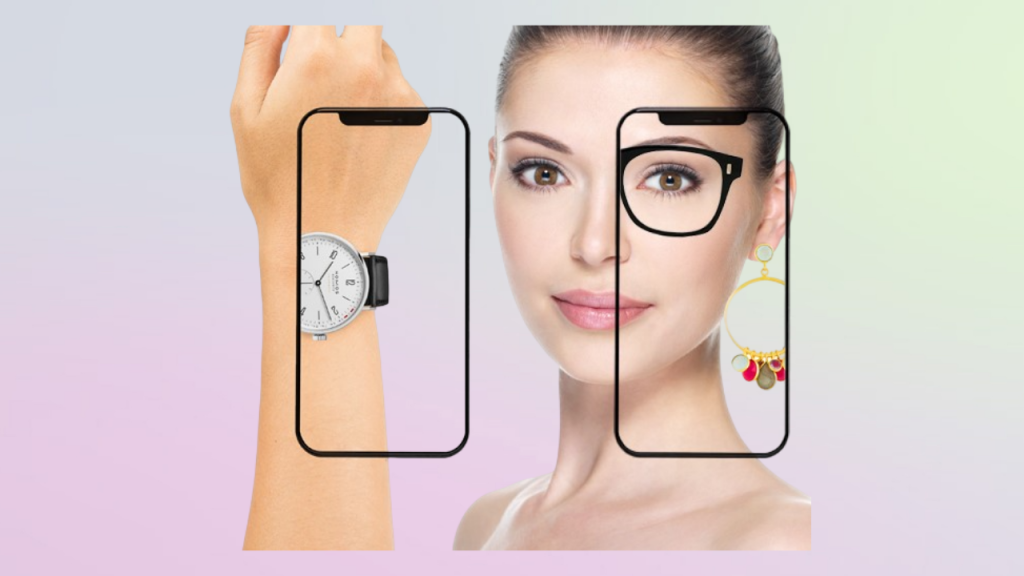
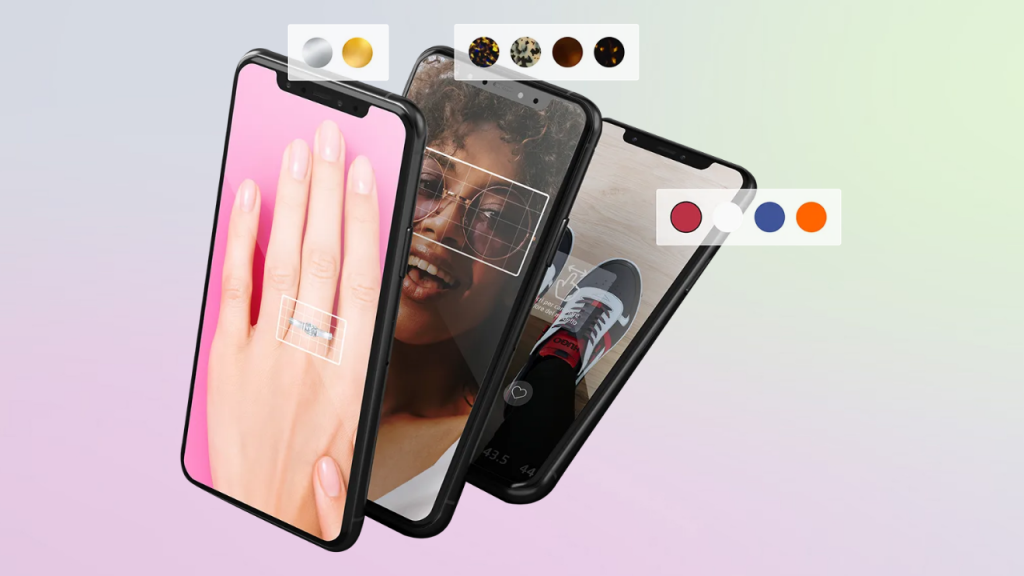
What’s the future of fashion? If you ask most people, they’ll say that it’s all about tailored experiences and trying on clothes virtually before you buy them. This way, customers can pick out the perfect top and match it with their favourite jeans without any risk of buying clothes that don’t look good on them. With more companies offering this service, there’s no reason not to take advantage of it! Virtual try-on technology is revolutionizing the fashion industry. Let’s explore the reasons behind its significant impact. What Is Virtual Try-On And How Does It Work? When you think of virtual reality, what comes to mind? Gaming? Movies? While those are certainly popular applications for VR, today it plays a crucial role also in the shopping world. That’s right – virtual try-on is a thing, and it’s changing the way we buy clothes, shoes, jewellery, and more. So, how can we define Virtual try-ons, especially fashion virtual try-ons? Simply put, it’s a way to try on items without having to actually put them on. You can do this either by using a special headset or by viewing an image of yourself in the clothes. This allows you to see how the clothes fit and look without having to leave your home. Why is virtual try-on a trend today? Research shows that most online shoppers are open to using VTO. A 2021 study found that 69% of respondents were interested in using VTO for apparel shopping. Virtual try-on fashion is becoming the new normal. Why not meet customer expectations? The Benefits Of Virtual Try-On for Fashion When it comes to virtual try-on, fashion retailers have a lot to gain. There are many benefits of virtual try-on that can drive traffic and sales for retailers. Overall, virtual try-on is a great way for fashion retailers to improve their customer experience and increase traffic and sales. With virtual try-on, customers can find the right clothes for them without having to leave their home, and retailers can reach new customers and increase sales. It’s a win-win for everyone involved! How Virtual Try-On Is Changing The Fashion Industry The virtual try-on is changing the fashion industry by giving customers a more realistic view of how clothes will look on them. This is done by allowing customers to try on virtual versions of clothes before they make a purchase.  Virtual try-on for retail also help to increase sales, as customers are more likely to make a purchase if they can see how the clothes will look on them. In addition, virtual try-on technology is becoming more and more advanced, with new features being added all the time.  For example, customers can now use virtual reality for fashion to try on clothes in a virtual setting, think about the well-known virtual fitting rooms. This technology is sure to revolutionize the fashion industry, and it will be interesting to see what new developments are made in the field of virtual try-on in the future. The Future of Virtual Try-On: AI-Powered Experiences The future of virtual try-on is incredibly exciting, especially with the integration of AI-powered experiences. AI can fine-tune virtual try-on technology to ensure perfect fit and precise measurements for each customer. Imagine shopping for clothes and being confident that what you see on the screen will look just as good in real life. Zakeke’s Virtual Try-On is leading the way with innovative features like AI-driven head measurements and pupillary distance calculations for eyewear. This level of precision ensures that customers not only find styles they love but also enjoy a perfect fit, enhancing their overall shopping experience. With AI at the helm, virtual try-on is set to revolutionize the way customers shop, making it more accurate, personalized, and enjoyable. WebAR Virtual Try-On VS App-based VTO When choosing the best technology for Virtual Try-on, WebAR VTO stands out over app-based options. Why? It’s all about ease and accessibility. With WebAR VTO, customers can try on clothes right in their web browsers without the hassle of downloading an app. This seamless experience makes it super convenient for customers, encouraging them to engage more with your products. Plus, it works smoothly across all devices, ensuring everyone can enjoy the same great experience. For you as a merchant, this means happier customers, fewer barriers to engagement, and more sales. So, if you want to offer the best VTO experience, WebAR is the way to go. How to Choose The Right Virtual Try-On for Your Store? There are several virtual try-on solutions available, and each has its own strengths and weaknesses. Some solutions use 3D models to show how the product looks on the customer, while others use virtual reality to create a virtual environment in which the customer can try on the product. The most important factor in choosing a virtual try-on solution is the realism of the virtual environment. The customer should feel as if they are trying on the product in real life. If the virtual environment is not realistic, the customer will not be able to make an informed purchase. Another important factor is the customization of the virtual environment. The customer should be able to change the color, size, and style of the product to match their own preferences. This level of customization allows the customer to create a unique shopping experience that meets their individual needs. Finally, the virtual try-on solution should be easy to use. The customer should be able to navigate the virtual environment easily and find the products they are looking for. The virtual storefront should also be easy to use, so the customer can make a purchase quickly and easily. Virtual Try-On Fashion + Real-Time Customization: The Perfect Mix Combining virtual try-on fashion with real-time customization creates the perfect mix for today’s demanding customers. They crave immersive experiences that allow them to see how products look on them while also personalizing those products to their liking. This combination is the key to staying competitive and achieving success in the modern market. With Zakeke, merchants
Read More >
Virtual Try-On for e-commerce
Virtual Try-On

Is Virtual Try-On Worth It?

With an increased customer demand for interactive and fun shopping experiences, virtual try-ons have gained sizable attention. But, is it worth it? This article helps you understand what a virtual try-on is, the benefits and downsides of using it, if it’s safe to use, and the best way that you can create one for your business. What Is A Virtual Try-On? Virtual try-on is a game-changer for eCommerce. Think of it like bringing the dressing room experience right to your customers’ screens. It typically involves the use of augmented reality (AR), artificial intelligence (AI), and/or 3D modeling to superimpose digital representations of products onto images or live video feeds of the user. Customers can then see how the products would look on themselves in real-time or through uploaded photos. It is particularly prevalent in industries such as fashion, cosmetics, eyewear, and jewellery, where the fit and appearance of products are important factors in the purchasing decision. Take clothing, for instance. With virtual try-ons, customers can see how different styles and sizes fit their body shape without ever setting foot in a store. That means fewer returns due to sizing issues and happier customers overall. But it’s not just clothes and online boutiques. Virtual try-on works wonders for things like makeup, eyewear, and even furniture. Customers can see how a lipstick shade complements their skin tone or how a pair of glasses suits their face shape — all without leaving their couch. Why To Use Virtual Try On? Imagine this: your customers can see how that cool jacket or those sleek sunglasses will look on them before hitting that buy button. That’s like having a personal stylist right in their living room! When shoppers feel confident about their choices, they’re more likely to make the purchase. And happy customers mean more sales for you! Returns can be a headache, right? But with virtual try-on, you’re giving your customers the power to make informed decisions about size and style. That means fewer returns for you to deal with – saving time and money in the long run. Virtual try-on isn’t just about selling products; it’s about creating an experience. It’s like bringing the fitting room to your customers’ devices! When shoppers can interact with your products in a fun and personalized way, they’re more likely to come back for more. In a sea of online stores, standing out is key. So, imagine scrolling through your social media feed and seeing a friend trying on the latest fashion trends virtually. Pretty cool, right?  It’s not just fun – a virtual try-on is smart marketing too. By showing off this tech on platforms like Instagram or TikTok, you can create buzz and get people talking. You could promote virtual try-ons as a QR code in a billboard or print ad. Using any reliable QR code generator, you can create QR Codes for a virtual-try experience, simplifying the process for shoppers but also adding a touch of convenience and innovation to their shopping journey. Such campaigns let your target audience try out your product for themselves! It sets your brand apart from the competition. Virtual try-on isn’t just about making sales; it’s also about learning what your customers want. By analyzing data on usage and feedback, you can fine-tune your offerings and marketing strategies. It’s like having a crystal ball in your customers’ minds! How Do I Create A Virtual Try On? Zakeke offers a Virtual Try-On tool for you to allow customers to virtually try on your products before making a purchase. It uses WebAR technology to deliver hyper-realistic detail on any device, without the need for any downloads. This technology can be integrated across platforms using QR codes, links, or iframes. For eyewear shopping, Zakeke offers an AI-driven scale technology that accurately measures head size. The Pupillary Distance tool simplifies the calculation of pupillary distance by fitting the head in an on-screen frame. Customers can design their perfect eyewear, hats, jewels, or glasses and instantly try them on their faces via the website. This technology leverages runtime 3D models, providing customers with a fully customized experience. The best part is that this tool can be seamlessly integrated with all eCommerce platforms. Is Virtual Try-On Safe? Virtual try-on can be safe if you take solid steps to keep customer data safe and respect their privacy. The first step is to ensure that the virtual try-on features respect the privacy and intellectual property laws in your jurisdiction. Privacy laws in the AR/VR space are still evolving despite recently introduced laws like GDPR in Europe. As such, while using robust tools like Zakeke can keep eCommerce stores and their customers safe from a cybersecurity standpoint, it is important to make sure that you are not sidestepping potential privacy issues. As a business, here are some things to ensure you are not compromising the privacy of your users while deploying virtual try-on technology: Use plain language to communicate this with your customers so they know exactly what they’re agreeing to. And hey, you should give them the option to say no if they’re not comfortable. To make customers feel sure that nobody’s messing around with their virtual try-on session, you should have solid ways of checking that it’s them. Think of stuff like double-checking their identity and making sure only the right people can see their info. Before you start taking pictures or videos of your customers for virtual try-ons, you should ask for their permission. They should be able to say yes or no, with no questions asked. What Are The Challenges Of Virtual Try On? Unless you’re using a third-party tool like Zakeke for providing a virtual try-on experience to your customers, setting up virtual try-on tech can be a bit tricky and might take some serious investment in software and tech know-how. Sometimes, what you see in a virtual try-on isn’t exactly what you get in real life. That could lead to some disappointment for customers if things don’t match up, leading to an

Read More >
Virtual ring try on experiences
Augmented Reality

Virtual Ring Try On Experiences: The Future Of Jewelry E-Commerce

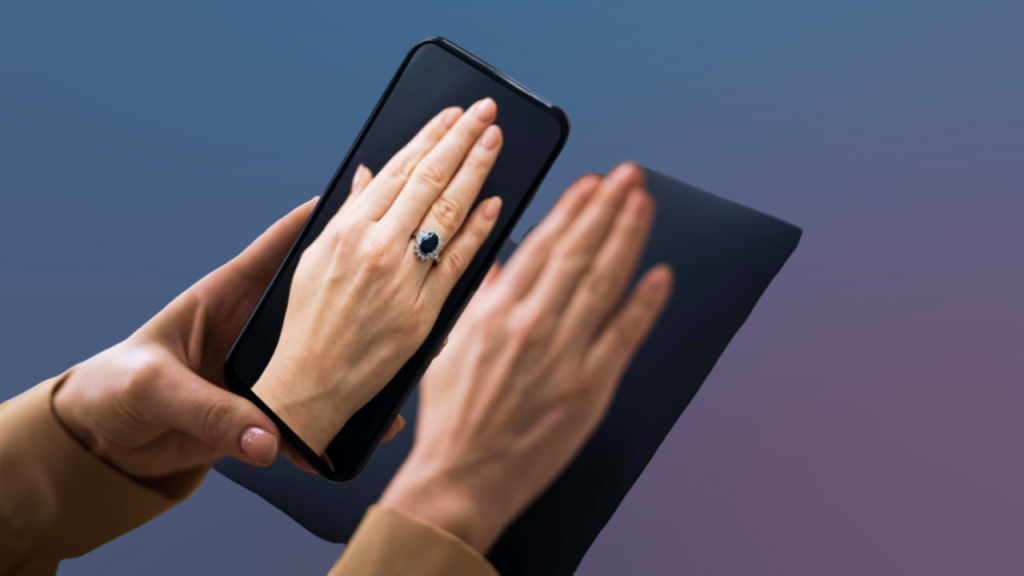
What if you could bring a jewelry showroom home? With today’s technological advancement, it has become a reality. In the dynamic world of eCommerce, brands need to keep up with technological advancement and customers’ expectations. And customers crave personalization and interactive experiences like the ability to try items on from the comfort of their homes. In this article, we will take a look at the state of jewelry e-commerce today, especially at what Augmented Reality has to offer for jewels online shopping, developing technologies like virtual try on jewels and virtual ring try on. The Rise of AR & Virtual Try On in Jewels E-Commerce Nowadays, almost anything can be bought online, and jewelry is no exception. The value of this market is predicted to hit $31.9 billion by 2025. As technology evolves, online shopping brings the purchasing experience closer and closer to what customers get in brick-and-mortar stores. There is nuance to it, however. While some product categories have a better time selling online, others require additional efforts to be as appealing to the customer’s eye. With jewels, especially with rings, the issue lies in visualizing the final look of the piece on the customer’s hand. Rings vary in size and shapes, and even with complex 3D product visualization tools, it can be difficult to imagine how a ring would look when on a finger. This is where Virtual try-on comes into play. This software applies a meticulously generated model over the customer’s hand captured on camera. The ring size is adjusted to match the size of the hand, and the customer gets an accurate representation of the size, shape, color, and position of the jewelry piece. The cohort of AR try-on users is, to little surprise, led by Gen Z. In 2024, the earliest zoomers are old enough to consider marriage, and this is when not one, but two sets of precious rings are required. This is a good chance to leverage the power of augmented reality features for ring sales online. How Exactly Virtual Ring Try On Works Most jewelers offer this service on their dedicated websites or in mobile apps. To try on a ring virtually, the user begins by uploading a clear photo of their hand or selecting a hand model that closely resembles yours. Some virtual try on app like Zakeke’s Virtual Try-On and Banuba’s TINT, Zakeke’s Partner, offer virtual try-on on a live camera input. This way, no photos are required, and a ring can be previewed on the user’s hand in real-time and in motion. Then, using innovative technology, the website or app overlays images of different rings onto the user’s hand, allowing them to see the jewelry from various angles and perspectives. After choosing a ring from the catalog in the store, customers can see how it looks on their hand, compare it with other options, and share pictures or save their favorites for later. The interface is made to give a realistic preview of the ring, considering things like size, shape, and gemstone brightness. A good example of this technology in action is wedding and engagement ring retailers like James Allen. The company features the virtual ring try on functionality in their app where users can preview a catalog and envision the piece of their choice on their fingers. Ciella & Co. allows users to preview up to two rings on a pre-set hand image or upload a photo of their own. This helps the brand ensure customer satisfaction and, consequently, secure the sales. 5+1 Benefits AR Jewels Can Bring To Your Business Rings are the type of jewelry that require accurate visualization and are extremely unpredictable when it comes to trying them on due to factors like varying virtual ring sizes, different hand shapes, or the need for precise fit and style. Unlike other jewelry items, rings must fit comfortably and securely, so customers need to be able to accurately visualize how they will look and feel before making a purchase. Think about an engagement ring. The fear of getting the wrong size or not choosing the most suitable one is great. A virtual engagement ring try on app could be the solution to solve this problem. Let’s see why introducing Web AR try-on technology to ring eCommerce can offer several benefits for both customers and businesses! 1. Enhanced Customer Experience AR try-on technology allows customers to virtually try on rings from the comfort of their own homes. This immersive experience enhances engagement and satisfaction by providing a realistic preview of how the ring will look on their hand without the need to visit a physical store. This is especially relevant when shopping for engagement and wedding rings: this type of jewelry is typically worn regularly, and it is only natural to want them to look and fit perfectly. 2. Increased Confidence in Purchase Decisions Whether precious or not, for weddings or for everyday looks, seeing how a ring appears on their hand through AR can help customers feel more confident in their purchase decisions. They can visualize how the ring will complement their style and fit with their other jewelry before committing. 3. Reduced Return Rates Just like virtual try-on in fashion, also virtual ring try on can help businesses reduce the likelihood of returns due to sizing or style preferences. Customers are more likely to be satisfied with their purchase when they have a clear understanding of how the ring will look and fit before buying. 4. Personalization and Customization Virtual try-on is a great way to implement also product customization and personalization options for rings. Matching AR with ring design can be crucial for improving conversions. Just think about it: customers can experiment with different metals, gemstones, and design elements to create a ring that truly reflects their individual tastes and preferences and then immediately try-on it virtually from their screens! This technology goes beyond mere aesthetics: hyper-realistic visualization and AR enable customers to instill sentimental value in their rings by adding meaningful symbols or

Read More >
AR jewelry
Augmented Reality

Full Guide On Augmented Reality Jewelry For E-commerce

In the world of e-commerce, integrating Augmented Reality into your platform can provide numerous benefits, and this is especially true for businesses selling items that suggest the need for try-on, like jewelry.  In this article, we will explore how augmented reality can make a drastic change in your e-commerce jewelry business and help you set your brand apart from the competition. The State Of Jewelry eCommerce In 2024 From the day the first online store opened, e-commerce has gone a long way to boost customer experience. While some product categories have a better time selling on the web, others require additional efforts to look as appealing to the customer’s eye.  Jewelry is one of such categories: although the total share of online purchases keeps growing, studies predict that only 25% of jewelry shopping will be done online in 2024. Selling jewelry online comes with a number of challenges. The biggest turn-off for shoppers is not being able to try out items before buying them. This challenge is especially relevant for jewelry compared to other products: firstly, customers have a hard time visualizing how these items will look on them, secondly, they may worry about getting the size right.  As a result, they might hesitate to make a purchase. If your business shares similar struggles, augmented reality jewelry may be just the solution for you.  What Is Augmented Reality Jewelry Augmented reality offers a complex sales boosting solution for eCommerce entrepreneurs. The AR technology allows your customers to visualize products with the help of their smartphone camera. Depending on your needs and capabilities, users can try on jewelry directly on your website or e-commerce platform, as well as in your store’s app. Users start by giving your online store permission to access their camera. After their face, hand, or display surface gets in the frame, an augmented reality overlay is applied. Thanks to the phone’s proximity sensors and the software’s advanced mechanics, the AR jewelry appears to look identical to the real item, with its size matching the actual size no matter how far away from the camera.  The colors, the weight, and the physics of a piece are transferred impeccably into the virtual realm – this is what makes augmented reality jewelry look so realistic. Today’s market offers a variety of software development solutions to cater to every eCommerce entrepreneur’s needs and capabilities.  Virtual try-on can be implemented as an in-app feature, website widget, or even as a plugin for your store on global e-commerce platforms, e.g. Shopify or WooCommerce. While each of these options have their pros and cons, online store owners are sure to find the one that suits them most. Use Cases Of Augmented Reality Jewelry AR capabilities expand beyond just try-on features. With today’s technology, it is possible to showcase your products in the virtual realm, provide a 360-degree preview, or even create engaging user experiences for promotion.  Let’s take a closer look at some ways to implement augmented reality into your jewelry business. Virtual try-on This is probably the most common use case. Virtual try-on is becoming a must-have for online stores that want to maintain a competitive edge. Adding a virtual try-on solution to your jewelry store can help you boost sales, decrease return rates, strengthen customer retention, and craft memorable user experiences.  One of the biggest obstacles on the way of online shoppers is the inability to try items on – this leads to doubts regarding both the size and the general look of the products. Augmented reality jewelry try-on resolves the doubts of your customers by allowing them to try out exact digital copies of your products. The ready-made software solution for virtual try-on jewelry by Banuba and Zakeke is tailored for both apps and websites. 3D Virtual Try-On SDK enables you to give your users an immersive online experience with anatomically accurate jewelry placement, realistic gravity, and lighting adaptation. Banuba’s state-of-the-art face-tracking algorithms detect face as a whole, as well as separate facial features, ensuring a smooth overlay and precise positioning. Presentation Opportunities Unlike the traditional process where designers have a limited approach for promoting their hard work, now with the help of AR applications, they can access bigger audiences and receive more recognition. Jewelry designers can scan and upload their projects, and the whole world can try and praise the new jewelry pieces using the dedicated AR apps. This is when both AR try-on and 3D preview software will come in useful. Market leading companies like Banuba, Zakeke’s Partner, offer AR solutions that enable top-quality product and design demonstrations. This cutting-edge technology enhances product visibility, fostering greater engagement and appreciation from a diverse audience. Marketing Campaigns And Unique User Experiences Nothing helps a brand stick in the memory of its customers like a unique, emotional user experience. While augmented reality is still not quite common to day-to-day experiences, it serves as a perfect tool for user engagement and brand promotion. The exact applications are only limited by your imagination. For example, virtual jewelry can be combined with AR face filters and masks resulting in an entertaining webcam-based experience. Or an element of gamification can be introduced – this is a proven way to drive user engagement and increase time spent in your store.  One of the memorable AR-enabled marketing campaigns of the last year was #InMyTabby by the US-based luxury fashion and handbag manufacturer Coach. The brand placed AR mirrors in front of its flagship store in SoHo so that passers-by and store visitors could try on the iconic Tabby bag as a 3D model and take creative selfies with it. The campaign did not go unnoticed – #InMyTabby received substantial media coverage and helped the brand increase in-store traffic by almost 50%. Can you outdo the luxury brand in this promotional success? Why Get Augmented Reality Jewelry Try On For Your Store The main benefit of AR jewelry solutions is that they offer a customer-centric approach, allowing your shop visitors to preview and try on your products in

Read More >
Virtual Tryon integration eCommerce
Augmented Reality

Integrating Virtual Try-On in eCommerce: A Step-by-Step Guide

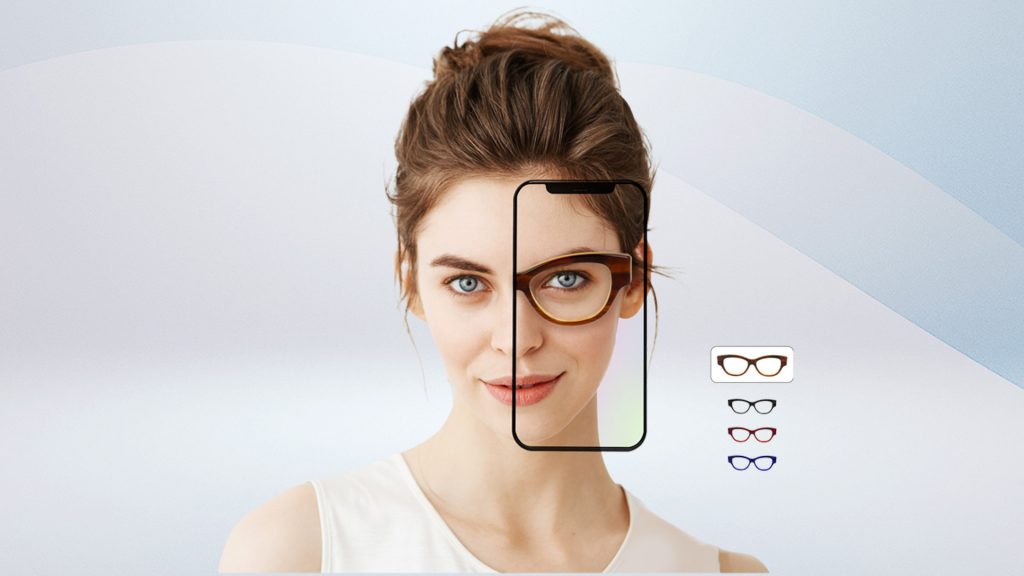
Try before you buy! Virtual try-on in eCommerce empowers customers to test products online before making a purchase, simply by utilizing their smartphone or desktop camera.  In this article, we will explore how you can seamlessly integrate this technology into your webshop for an enhanced shopping experience.  1. Trying on Glasses Virtually: A Seamless Experience With Virtual Try-On, customers can effortlessly try on glasses virtually, evaluating how well they fit and suit their preferences. This technology enables users to explore an extensive selection, experimenting with various models and colors to make informed comparisons.  The real-time testing feature provides a unique shopping experience, allowing potential clients to visualize themselves wearing the glasses, enabling quicker and more confident purchasing decisions. How does it work? The process is simple – customers can take a picture of themselves using their webcam or smartphone. By merely looking into their device’s camera, the glasses are virtually placed on their face, enabling them to explore all the details of the eyewear.  2. The Technology Behind Virtual Try-On for glasses Virtual glass fitting utilizes cutting-edge technology to deliver realistic results. Using artificial intelligence and 3D scanning, the customer’s face and head are accurately captured and analyzed, allowing for precise adjustments to the glasses’ shape.  Augmented Reality (AR) technology plays a crucial role, providing customers with real-time visuals of how the glasses would look on them. 3. Companies Offering Virtual Try-On for Glasses Several prominent retailers, including Apollo, Fielmann, Ray-Ban, Lenskartl, and GlassUSA, already offer virtual fitting for glasses. This technology’s potential is continually being recognized by more companies, making it an increasingly popular feature in the market. 4. 5 Steps to Integrate Virtual Try-On in Your eCommerce Store 1. Choose the Right AR Technology for Your Shop Opt for a SaaS platform, which allows easy integration of virtual try-on without the need for programming knowledge or significant investments. With Zakeke’s user-friendly platform, you can upload product photos, create 3D models, and integrate them via plugins effortlessly. 2. Create High-Quality 3D Models of Your Products Invest in high-quality 3D models of your products, enabling customers to view items from all angles, grasping a comprehensive understanding of their size, shape, and attributes.  You can hire professional 3D modelling services or use different software to create your own models. Optimize the models for AR by reducing polygons and texture sizes to enhance performance on mobile devices. 3. Implement AR Into Your Website Implementing AR in your website or app can be achieved through AR plugins or SDKs designed specifically for eCommerce. Zakeke offers an easy-to-implement Plug-in for popular shop platforms like Shopify, WooCommerce, and BigCommerce, allowing easy installation without any developer skills. 4. Test and Optimize Your AR eCommerce Integration After integrating AR eCommerce, thoroughly test and optimize the user experience. Identify and address any technical issues, such as slow loading times or glitches in the virtual try-on.  Gather feedback from customers to understand how they interact with the AR features and make necessary adjustments to enhance the experience. 5. Promote Your AR Integration Promote your new AR capabilities through your website, social media channels, and email marketing campaigns. Highlight the benefits of AR, such as the ability to view products in 3D or try on virtual glasses. Encourage customers to share their AR experiences on social media and offer incentives like discounts or free shipping. Effective promotion will attract new customers and foster loyalty among existing ones. Summary In conclusion, integrating virtual try-on in eCommerce is a game-changer for the online shopping experience, particularly in the eyewear industry. It has revolutionized the way customers shop online by allowing them to virtually try on products before making a purchase.  This innovative approach not only provides convenience but also boosts customer confidence and reduces returns.  By following these steps, businesses can leverage the power of virtual try-on to attract new customers, foster brand loyalty, and elevate their position in the competitive market. Manuel Messner CEO – Mazing GmbH Manuel Messner, CEO & Co-Founder of Mazing, specializes in immersive technologies like Augmented and Virtual reality. A seasoned entrepreneur, he leverages his e-commerce experience to provide innovative web AR solutions, positioning Mazing among leading AR companies in Europe and the USA.  

Read More >
Virtual try-on Fashion
Augmented Reality

Virtual Try-On Clothes: The Game Changer for Fashion Retail

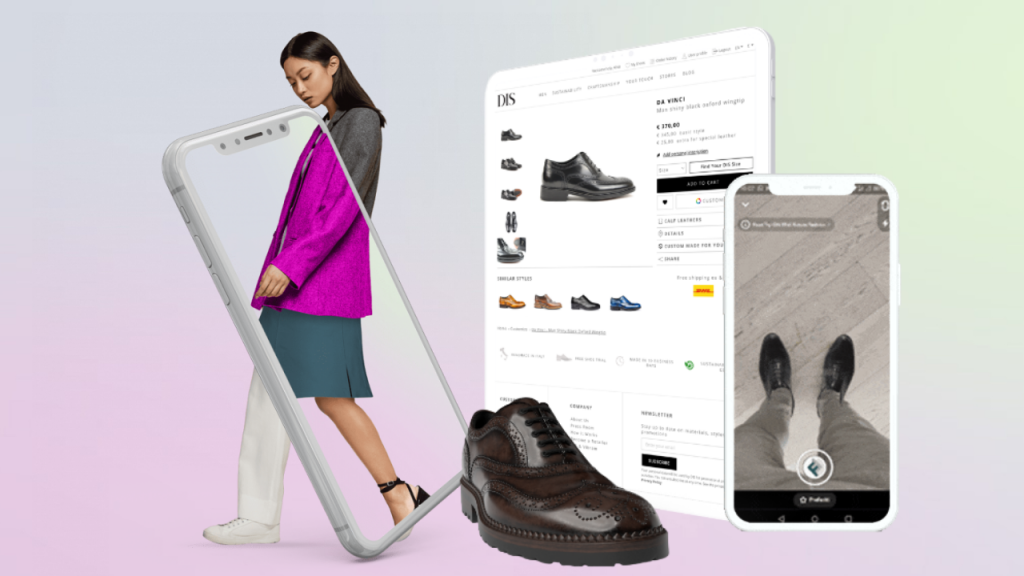
Have you ever wanted to try on clothes, shoes, or cosmetics without heading over to a physical store? Virtual try-on technology could be the solution!  Despite the growing popularity of online shopping, brick-and-mortar stores have one distinct advantage that, for ages, has given them an edge over digital channels — the ability to try on products before buying. But things are changing! As the shift to online shopping intensifies, brands are striving to offer a holistic customer experience on digital channels, especially in the apparel industry.  VTO technology, especially Virtual Try-on clothes, has been at the epicentre of the new user experience, allowing customers to virtually try-on products before buying. But what exactly is virtual try-on tech? And most importantly, how does it benefit your fashion business? Let’s dive into Virtual Try-on for clothes and accessories. What is Virtual-Try On? Virtual try-on, also known as digital try-on or virtual fitting, is a technology that allows shoppers to explore and try products digitally using a computer or mobile device. With this technology, shoppers can try on clothes or beauty products online without physically touching them or visiting the retail store.  How Virtual-Try On clothes work? There are 3 ways to access virtual try-on clothes as of now. These are: 1. Using Camera on Smart Devices Using the camera on smartphones, tablets, or laptops is the most widely used technique to access try-on functionality. Customers can virtual try on clothes online at home using 3D virtual fitting technology and a camera-equipped device.  As the camera captures the consumer, the underlying Augmented Reality technology superimposes a realistic virtual version of the product over their real-world image to demonstrate how the item would look on the customer’s body. Customers can change colors, styles, and other parameters with a tap through the virtual try-on app.  2. Through AR Mirrors Another way of experiencing virtual try-on clothes is through AR mirrors in retail stores. These “magic” mirrors capture the shopper’s appearance and overlay it with a virtual wearable product like clothes, shoes, jewellery, or makeup.  Virtual clothing rooms Augmented Reality and Virtual Reality, computer vision, and advanced sensing technologies to create a simulation of how a piece of clothing would look on the customer, helping them attain a high level of customization. Several big-name brands, including Lacoste, Ralph Lauren, Zara, and Burberry, are using AR mirrors in their stores to improve user experience.  3. Creating 3D Digital Avatars You can also access virtual try-on clothes by creating 3D digital avatars through body scanning technology, currently exclusive to Apple devices.  Customers can use this technology to create accurate 3D avatars and try on clothes. This gives the exact look of the item as it would look to the user in the real world.  Benefits of Virtual Try-On clothes for the Fashion Industry Virtual try-on for fashion provides many benefits to the user and the business owner. We’ll briefly go over these benefits. One key benefit you get from implementing virtual try-on technology is increased conversions and sales. According to Shopify, using virtual try-on software can increase conversions by up to 250%. This is due to increased user engagement and experience. Did you know that at least 20% of online-bought products are returned? Virtual try-on can significantly reduce product return rates. With virtual try-on software, shoppers can visualize themselves in various styles and sizes before making a purchase, helping reduce costly returns.  Customers can truly enjoy the virtual try-on experience when they use apps to try on clothes and other products the way they would in a physical fitting room. This satisfaction builds loyalty, leading to repeat sales and brand advocacy. With virtual try-on, customers are not only able to resolve issues related to size, style, and fit but also explore more options and try out a wider selection of clothes in less time. This increased personalization leads to increased engagement and conversions. Thanks to virtual try-on clothing apps and systems, merchants can reduce the overproduction of physical samples and inventory. This helps avoid unsold stock, boosts efficiency, and increases sales. Virtual Try-On clothes and sustainability Virtual try-on technology is not only good for business. It helps save the planet by reducing the carbon footprint. Around 17 billion purchased items are returned each year, which equals roughly 4.5 million metric tonnes of carbon dioxide. Allowing customers to virtually try on items before buying means boosting confident buying, avoiding returns and boosting satisfaction. And more: Virtual try-on also helps merchants to cut off the production of physical samples and stocks, avoiding overproduction and boosting sustainable practices by showcasing hundreds of product variants simply using 3D models. Fashion brands using Virtual Try-On technology Here are examples of brands using try-on dress and clothes with good results: 1. e.l.f Cosmetics e.l.f Cosmetics, an American best-selling skin care products company, has seen great success with its AR campaigns on YouTube.  Their AR try-on feature allows customers to see how a product, like lipstick, cream, or mascara, suits their face without buying it. The result? Increased traffic, reduced return rate, and a 63% lower cost per user than previous campaigns.  2. Wacoal Choosing a bra that holds well and fits perfectly can be challenging for online customers. AI tech company, Sizer, made it possible for users to fit bras online.  It partnered with Wacoal, a renowned manufacturer of women’s lingerie, to improve the experience for online shoppers. Together, they created the mybraFit app that allows customers to take photos of themselves and virtually try on bras online. This has resulted in increased traffic and engagement, driving more sales for the brand.  Wrapping Up Virtual try-on apps are changing the clothing industry (and more!). The market is growing rapidly as retailers look for innovative ways to improve the shopping experience and keep customers happy. Virtual try-on technology helps achieve this by allowing customers to try on products in their homes.  Businesses also benefit from it through increased sales, reduced returns, reduced costs, and increased competitiveness.

Read More >
Fashion industry 3D
Virtual Try-On

The Future Of Fashion: Virtual Try-On & Customization

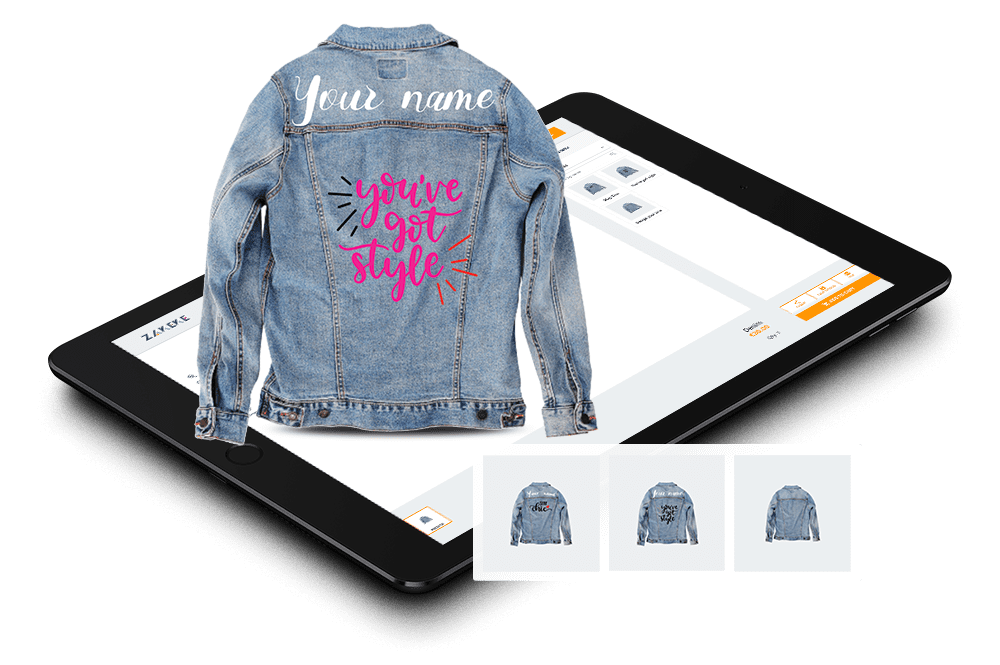
What’s the future of fashion? If you ask most people, they’ll say that it’s all about customization and trying on clothes virtually before you buy them. This way, you can pick out the perfect top and match it with your favorite jeans without any risk of buying clothes that don’t look good on you. With more companies offering this service, there’s no reason not to take advantage of it! What Is Virtual Try-On And How Does It Work? When you think of virtual reality, what comes to mind? Gaming? Movies? While those are certainly popular applications for VR, did you know that they can also be used for shopping? That’s right – virtual try on is a thing, and it’s changing the way we buy clothes. So, what is a virtual try on? Simply put, it’s a way to try on clothes without having to actually put them on. You can do this either by using a special headset or by viewing an image of yourself in the clothes. This allows you to see how the clothes fit and look without having to leave your home. The Benefits Of Virtual Try On Another advantage of virtual try-on is that it can help customers make better buying decisions. With virtual try-on, they can see how different styles and colors look on them and get a sense for what looks good and what doesn’t. This can lead to more informed buying decisions and fewer returns. Virtual try-on is also a great way to increase traffic and sales for fashion retailers. When customers can try on clothes virtually, they’re more likely to buy items that they wouldn’t have otherwise. In addition, virtual try-on can help retailers reach new customers who might not have visited their store otherwise. Overall, virtual try-on is a great way for fashion retailers to improve their customer experience and increase traffic and sales. With virtual try-on, customers can find the right clothes for them without having to leave their home, and retailers can reach new customers and increase sales. It’s a win-win for everyone involved! How Virtual Try On Is Changing The Fashion Industry The virtual try-on is changing the fashion industry by giving customers a more realistic view of how clothes will look on them. This is done by allowing customers to try on virtual versions of clothes before they make a purchase.  Virtual try-on for retail also helps tu increase sales, as customers are more likely to make a purchase if they can see how the clothes will look on them. In addition, virtual try-on technology is becoming more and more advanced, with new features being added all the time.  For example, customers can now use virtual reality to try on clothes in a virtual setting. This technology is sure to revolutionize the fashion industry, and it will be interesting to see what new developments are made in the field of virtual try-on in the future. The Future Of Virtual Try On Technology is constantly evolving and with it, so is the fashion industry. virtual try-on is one of the latest and most innovative technologies being used in the fashion industry today. With virtual try-on, customers can try on clothes without having to leave their home or even change out of their pajamas. This technology uses a virtual reality headset or a webcam to create a virtual version of the customer that can be dressed in different clothes. As the fashion industry undergoes rapid changes, with the increasing demand for customization, virtual try-on has become an essential part of the customer experience. With platforms like Zakeke, customers can now personalize any product (clothing, promotional gifts, paper products, shoes, jewelry, watches, etc..) and visualize how they would look using the virtual try-on feature. This technology not only allows customers to be more creative with their choices, but also eliminates the need to go through the hassle of returning products that don’t fit well. Additionally, virtual try-on can help businesses increase sales by providing an engaging and interactive experience that encourages customers to buy more products. Augmented Reality and Virtual Try-On Augmented Reality (AR) technology is being used more and more in virtual try-on applications for fashion. This is because AR allows the customer to see how the clothing will look on them without having to actually try it on. This is a valuable feature, as it can save time and hassle for customers. There are many different virtual try-on applications available, and the technology is constantly evolving. For example, virtual reality (VR) can now be used to create a more realistic experience for customers. This means that customers can try on clothing in a virtual environment that looks just like the real world. Another development in virtual try-on is the use of motion tracking. This allows customers to move around in the virtual space and see how the clothing looks from all angles. This is a valuable feature, as it can help customers to make better decisions about what they want to buy. It is clear that virtual try-on is here to stay, and that it will continue to evolve in the future. This is good news for customers, as it means that they will have more options and flexibility when it comes to buying clothes. In the future, we can expect to see even more innovations in virtual try-on technology. What Is A Virtual Storefront and Why Is It Essential? A virtual storefront is a critical aspect of virtual commerce. It allows the customer to view the product, try it on, and make a purchase. The virtual storefront is also responsible for providing a virtual environment in which the customer can interact with the product. This virtual environment should be as realistic as possible to ensure that the customer has a good shopping experience. One of the most important aspects of virtual commerce is virtual try-on. There are several virtual try-on solutions available, and each has its own strengths and weaknesses. Some solutions use 3D models

Read More >